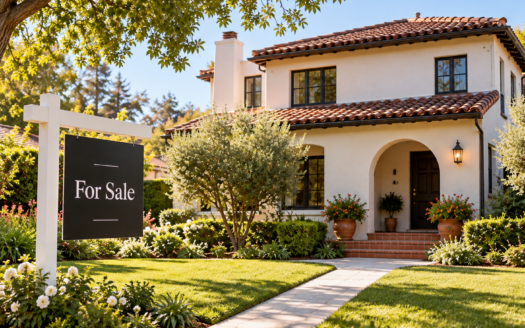

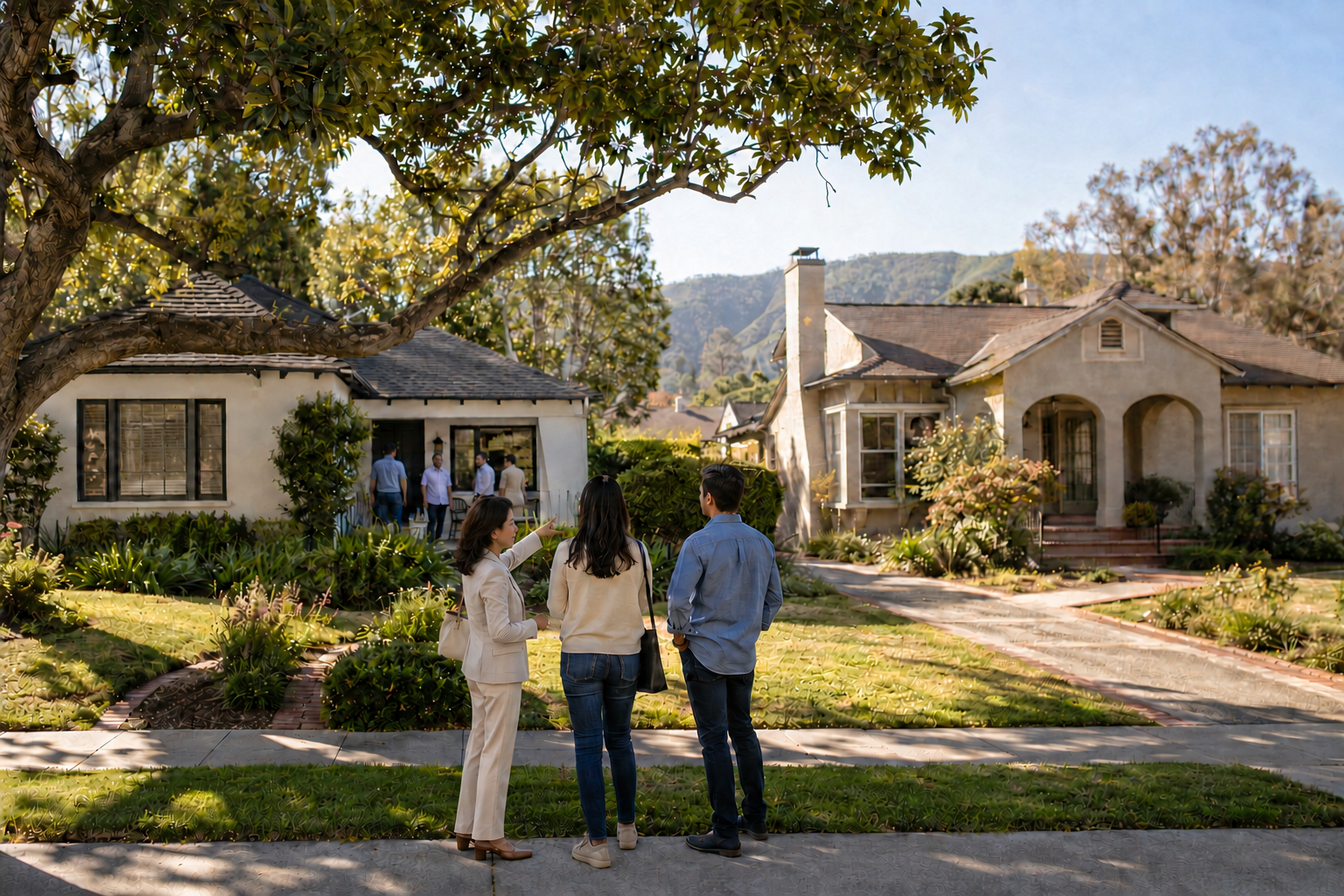
I understand why buyers want to wait for the perfect home. Buying a home is a major financial and personal commitment, and no one wants to regret accepting the wrong compromise.
But in Greater Pasadena, the homes that appear closest to perfect often attract the most competition. My buyers regularly encounter multiple offers and overbids on homes with a desirable location, attractive condition and an easy floor plan.
The answer is not to lower your standards. It is to know which qualities are worth paying for, which problems can reasonably be corrected and when the search for a perfect home is leading you away from a better purchase.
Buy What You Cannot Easily Create.
I advise buyers to protect the qualities that are difficult or impossible to change.
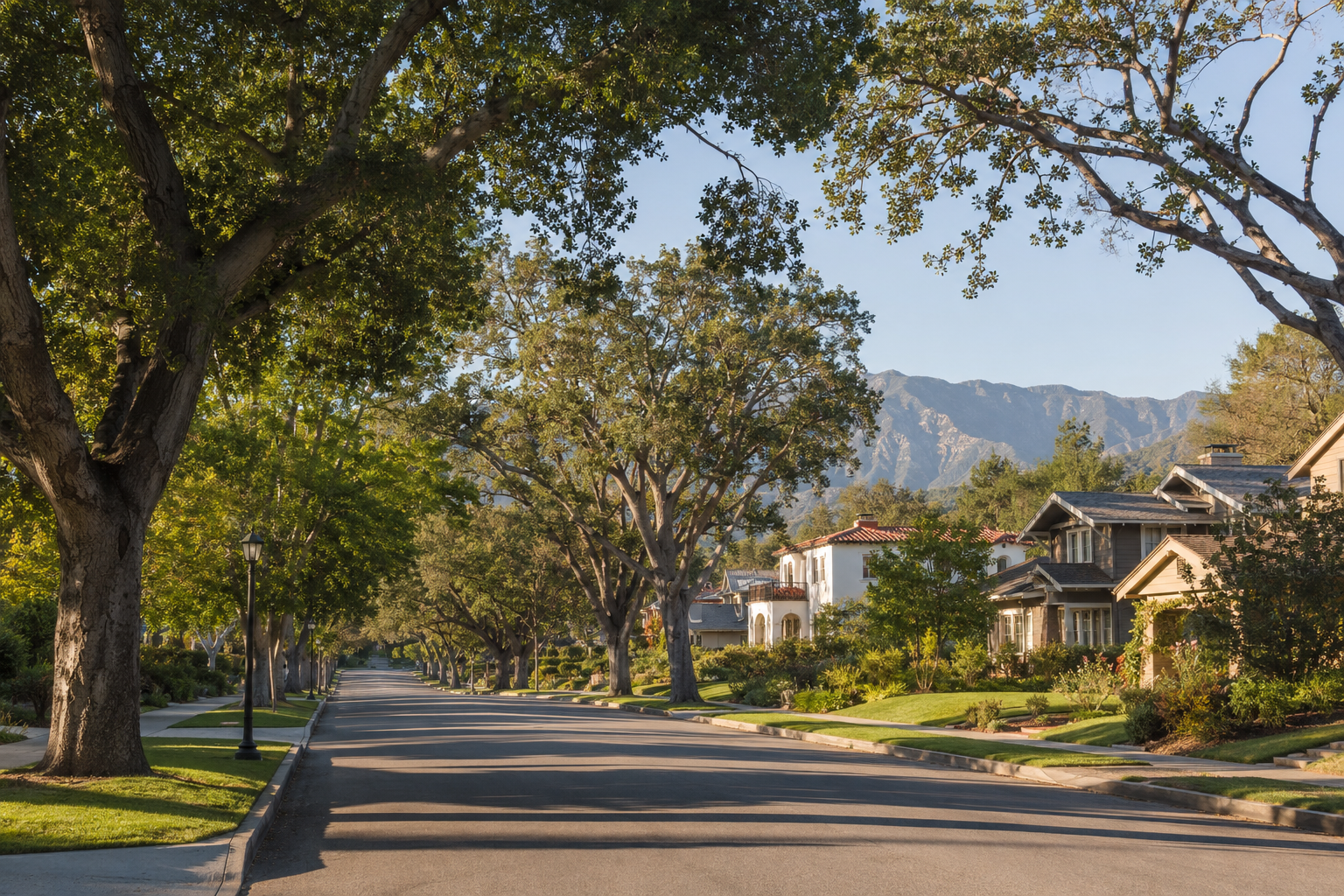
You cannot move a house to a quieter street, enlarge a very small lot or eliminate an undesirable neighboring use. It may also be impractical to correct a severely compromised floor plan, inadequate parking or major structural problems.
Location should usually come before finishes. A dated home on the right street may be a better long-term purchase than a beautifully remodeled home in a location the buyer already dislikes.
That does not mean every location compromise is fatal. It means the price should reflect it—and the buyer should be comfortable living with it after the excitement of buying has passed.
Cosmetic Does Not Always Mean Inexpensive.
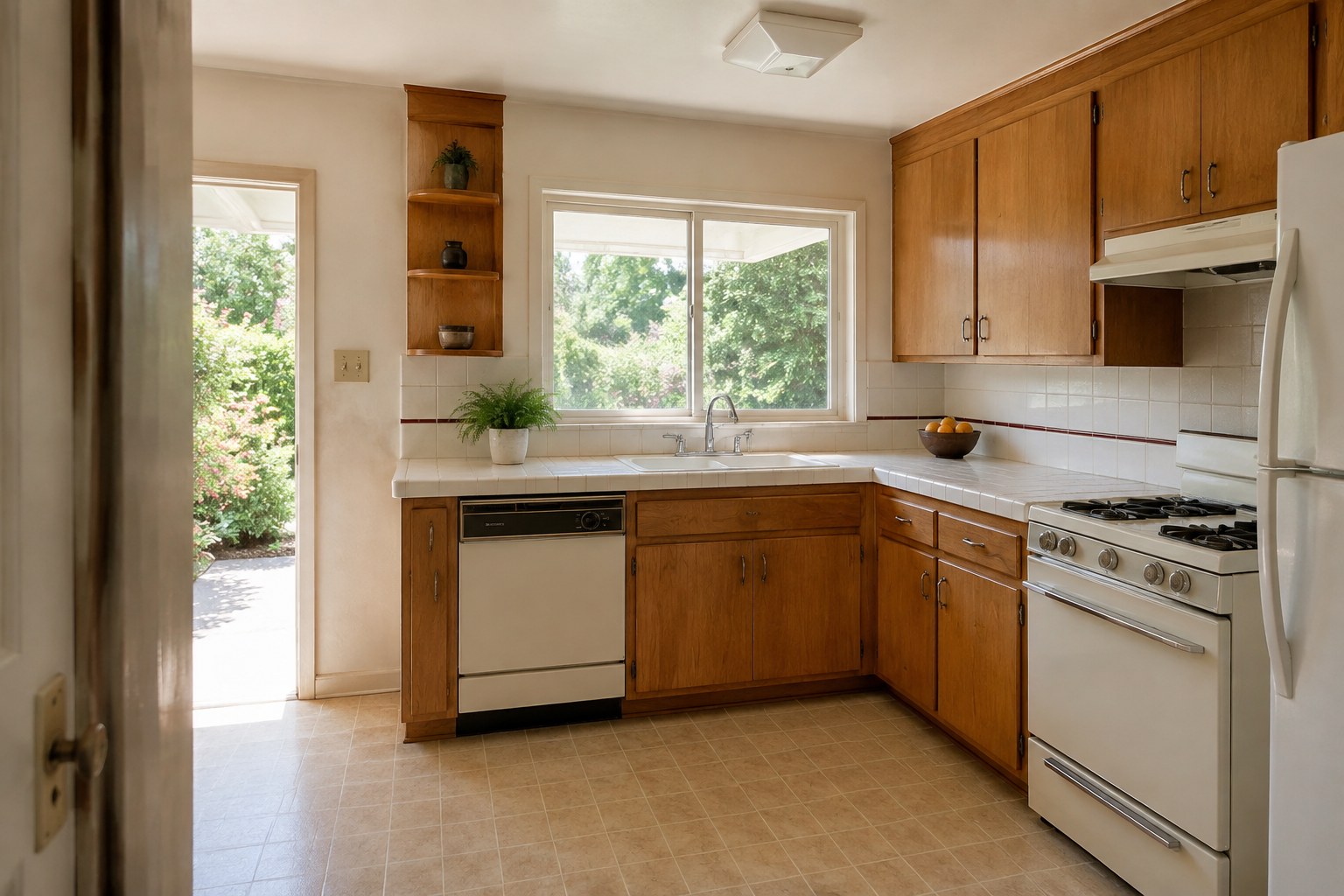
Buyers are often told to overlook cosmetic problems, but that advice can be too casual.
Paint, light fixtures, and modest landscaping may be manageable. Replacing flooring throughout a house, installing new windows, repairing old electrical or plumbing systems, or rebuilding a kitchen is different.
Before deciding a home merely “needs updating,” I help buyers identify the work needed in the first year. We estimate likely costs, add a contingency for surprises, and compare the total investment with updated homes nearby.
If the purchase price plus immediate improvements approaches what a finished home would cost, the supposed bargain may not be a bargain.
Don’t Pay Twice for an Imperfect Home.

One danger in a competitive market is paying a perfect home price for a property that still needs substantial work.
Buyers can become focused on winning and bid well above the asking price. After closing, they discover that the roof, windows, systems, and interiors still require considerable spending.
A home needing work should provide something meaningful in return: a better purchase price, less competition, an unusually good location, or enough future value to justify the expense and disruption.
I also consider whether the neighborhood will support the planned improvements. Spending heavily on a home does not guarantee that the market will return every dollar later.
Decide What the Competition Is Worth.

When a highly appealing home appears, buyers should decide what makes it exceptional to them.
Is it the street, lot, school area, or floor plan? Or is much of the appeal coming from staging, new finishes, and professional photography?
A beautifully presented home may deserve a strong offer, but buyers should not confuse emotional impact with lasting value. We compare recent sales, consider the likely appraisal, and establish a price beyond which the home no longer makes sense.
Competing does not always mean abandoning every protection. You may adjust price, escrow timing, possession, and other terms, but I don’t recommend casually giving up important inspections just to appear aggressive.
Waiting Also Has a Price.
Rejecting one home does not guarantee that the next will be better. Prices, interest rates, and personal circumstances can change. The next perfect home may attract even more buyers and require a larger overbid.
At the same time, urgency should never replace judgment. A buyer should walk away when the price, condition, or location creates a risk that cannot be justified.
The real question is not, “Is this the perfect home?” It is:
- Does it provide the qualities that are expensive or impossible to create?
- Can its shortcomings be corrected at a sensible cost?
- Will the neighborhood support the total investment?
- Is the competition still reasonable at the price we would need to pay?
My central advice: Buy the qualities that are expensive or impossible to create. Calculate the cost of everything else.
A home does not have to be flawless to be an excellent purchase. Sometimes the better opportunity is the sound home that needs a few manageable changes—and that other buyers dismissed too quickly while waiting for the perfect home.
My job is not to persuade buyers to settle. It is to help them calculate the real cost of each choice, avoid expensive mistakes, and recognize a worthwhile home before the competition does.
If you are considering a purchase in Greater Pasadena, call or text me. I would be glad to help you decide which compromises are sensible and which ones should stop you.