


Before selling, homeowners often begin looking at their property as if they were about to buy it themselves.
The kitchen feels dated. The hardwood floors have scratches. The bathroom tile is no longer fashionable. Soon, the seller has a growing list of projects—and no reliable way to know which improvements buyers will actually reward.
The right question is not simply what to fix before selling. It is what could interfere with the sale, what weakens the home’s presentation, and what belongs on the next owner’s project list.
When Hem-young walks through a property with an owner, she approaches those decisions by asking four practical questions.
Hem-young’s First Question: Could This Condition Interrupt the Sale?
Some conditions deserve attention because they can become obstacles during insurance review, appraisal, inspection, or negotiation.
An active roof or plumbing leak is different from an old but functioning fixture. Exposed or unsafe wiring is different from outlets and switches that merely look dated. A broken furnace is different from an older furnace that still operates properly.
Other concerns may include broken windows, damaged exterior steps or railings, visible wood deterioration, plumbing that does not function correctly, and evidence of moisture that has never been investigated.
These conditions do more than produce repair requests. They can make buyers wonder what else has been neglected.
Hem-young does not automatically recommend replacing every aging component. She looks at whether the condition could alarm buyers, limit financing or insurance options, or give a buyer a strong reason to renegotiate after the inspection.
Her first test of what to fix before selling is therefore: Could leaving this unresolved make the transaction more difficult?

Hem-young’s Second Question: Will Buyers Notice the Problem Before They Notice the House?
Some improvements are worthwhile because they prevent a manageable flaw from dominating the showing.
A stained ceiling should not remain after the leak has been repaired. Buyers may spend the entire showing wondering whether water is still entering the house. Peeling paint at the front door, a broken light fixture, dead landscaping or a damaged cabinet door can make an otherwise well-maintained home feel neglected.
Dark rooms deserve particular attention. Sometimes the answer is better bulbs, trimming vegetation, cleaning windows or removing heavy coverings—not repainting and furnishing the entire house.
Hem-young’s objective is to remove distractions so buyers can appreciate the home’s space, light, architecture and setting.
In a character home, she may recommend repairing original wood windows rather than replacing them with a style that does not suit the house. In a condominium, she may focus on clean walls, working fixtures, and an orderly presentation instead of an expensive kitchen remodel. In a mid-century home, she may identify original details that should be preserved rather than ‘updated’ away.
Her second test of what to fix before selling is: Is a visible problem preventing buyers from seeing the property’s real strengths?
Hem-young’s Third Question: Are You Repairing the Home—or Remodeling for an Unknown Buyer?
This is where owners can spend the most and recover the least.
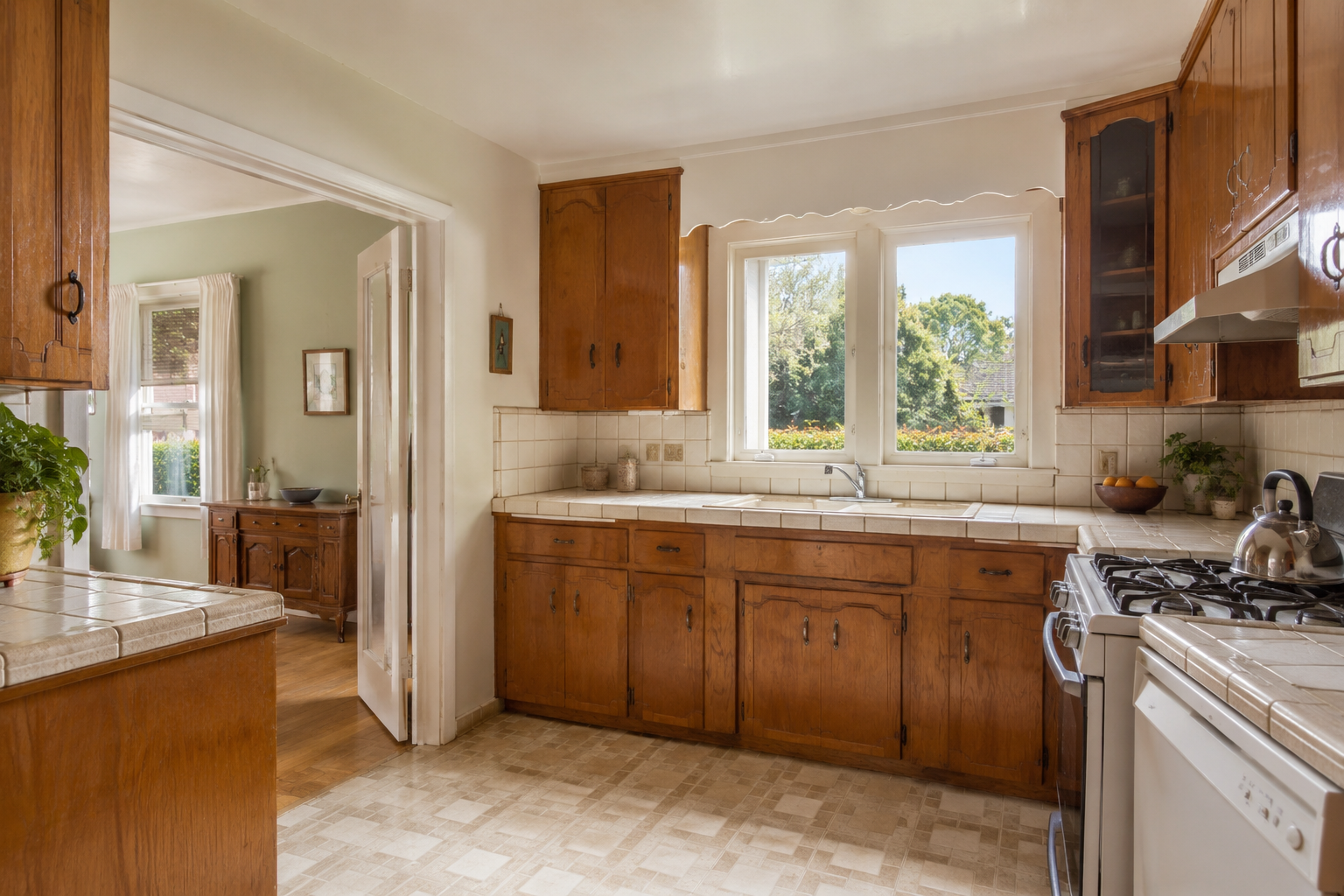
If a kitchen is functional but dated, replacing the cabinets, counters, flooring, and appliances may not be the best course of action. One buyer may want a white kitchen; another may prefer natural wood; a third may plan to remove a wall and reconfigure the entire space.
The seller has then paid retail for a remodel that the buyer values only partly—or intends to replace.
The same reasoning applies to elaborate bathroom renovations, highly personal flooring, expensive built-ins and landscaping designed around one person’s taste.
There are exceptions. A partially damaged room, an unfinished project or a feature seriously out of step with competing homes may require more work. But ‘dated’ alone is not enough reason to remodel.
Before recommending a major improvement, Hem-young considers the home’s likely buyers, price range, architecture and competing listings. Her third test of what to fix before selling is: Are buyers likely to pay for this improvement, or would the seller be making personal choices on their behalf?

Hem-young’s Fourth Question: Would Price Be a Better Solution?
Suppose two similar homes are competing for the same buyer. One has a newer kitchen; the other has an older but clean and functional kitchen.
The second seller may be better served by presenting the home well and pricing it with the difference in mind, rather than rushing through a renovation. The buyer receives room in the price to make future choices, while the seller avoids construction delays, cost overruns, and design decisions made without knowing the eventual buyer.
Conversely, if focused work would move the property into a clearly more competitive category, doing it may be justified.
Hem-young compares the property with the homes buyers are likely to see. She considers whether an improvement will change the home’s market position—or merely increase the owner’s preparation costs.
Her fourth test of what to fix before selling is: Will this work produce a better result than presenting and pricing the property appropriately in its present condition?

Ask Hem-young Before Calling the Contractor
Hem-young prefers to walk through a property before the owner begins spending. She can help divide the possible work into three groups:
- Conditions that could interfere with the sale
- Focused work that strengthens presentation
- Projects better left to the next owner
She can also determine whether Compass Private Exclusive or Coming Soon marketing may provide useful early exposure and feedback while preparation is underway—before the broader public-market launch begins accumulating days on market.
The objective is not to produce the longest repair list. It is to make the property easier to buy without spending money buyers will not return.
If you are considering a sale, call or text Hem-young before ordering materials or signing a remodeling contract. She will help you decide what to fix before selling, what to present differently, and what you can confidently leave alone.