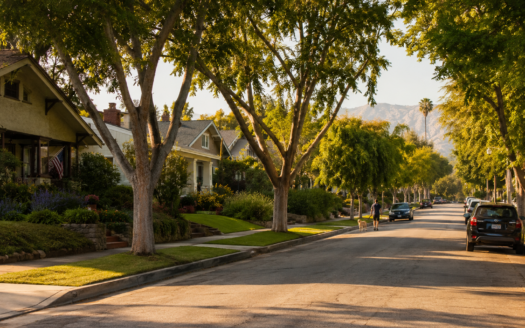

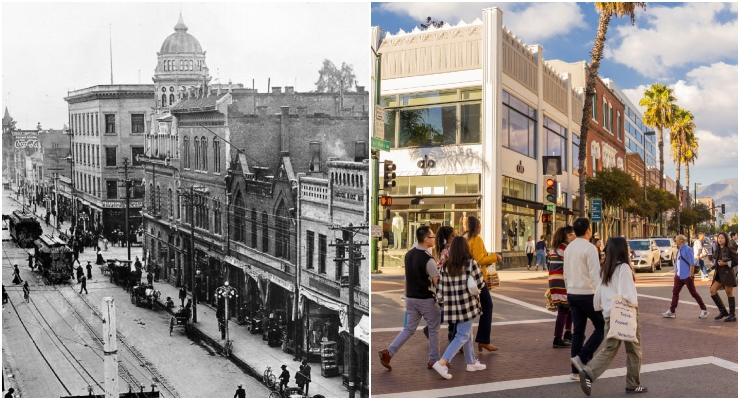
People sometimes talk about Old Pasadena as though it arrived fully formed—the restored brick buildings, restaurants, shops, courtyards, and busy sidewalks.
It didn’t. Hem-young and I were there while it was taking shape.
I founded Dominic deFazio & Associates, and Hem-young and I worked from our Old Pasadena office during the district’s early revival. We ate regularly at Café Jacoulet and many of the other restaurants opening around us. We knew the infamous developer John Wilson and watched him create excitement, controversy, and a fair amount of theater.
The Old Pasadena we know grew from people taking chances before anyone knew whether the experiment would work.
Before the national retailers.
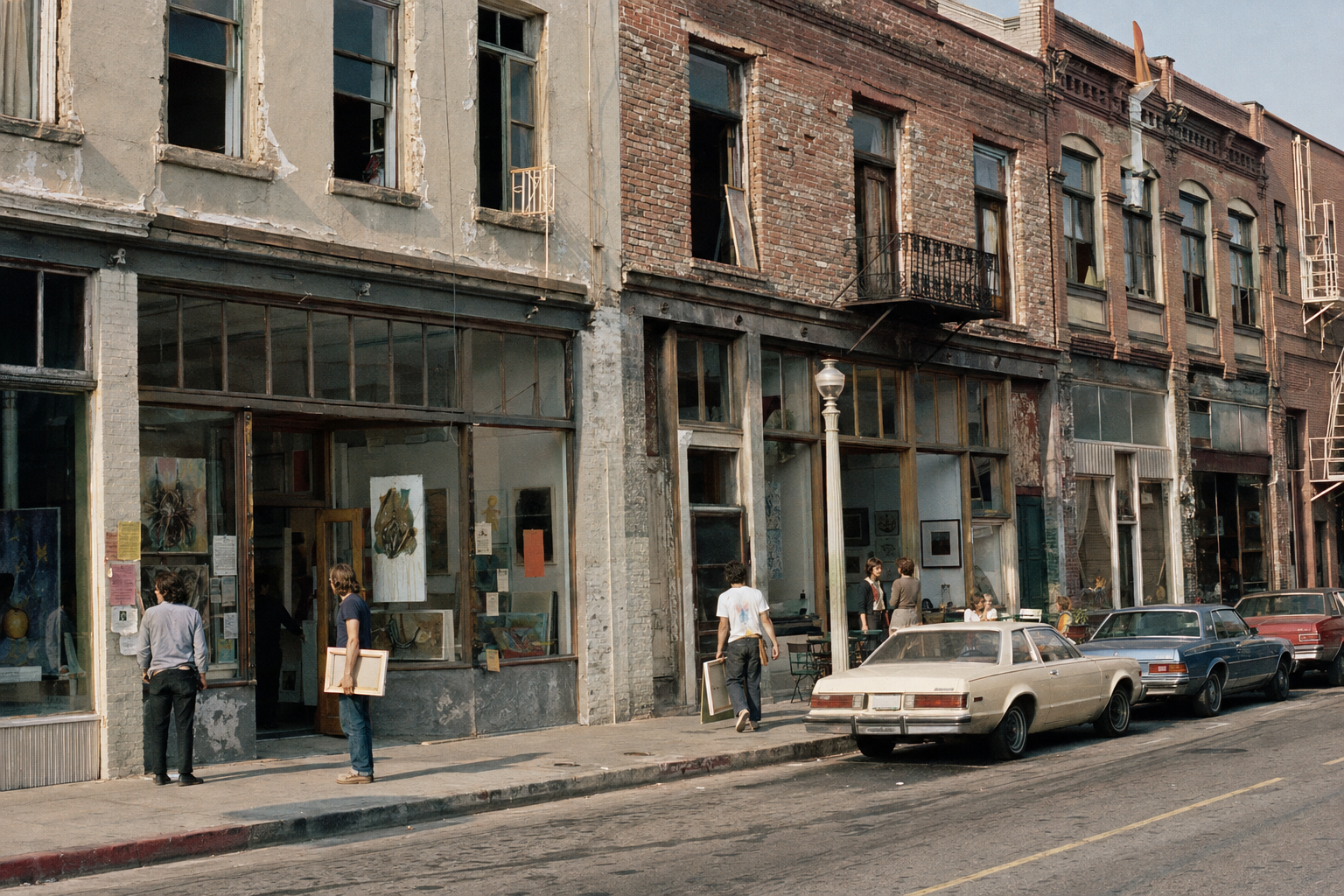
The earliest revival was not led by large chains. Art galleries were among the first businesses to recognize the possibilities in the neglected buildings. Artists, independent merchants, and unconventional restaurants occupied spaces that established businesses had overlooked.
Then Café Jacoulet opened on North Raymond Avenue in 1984.
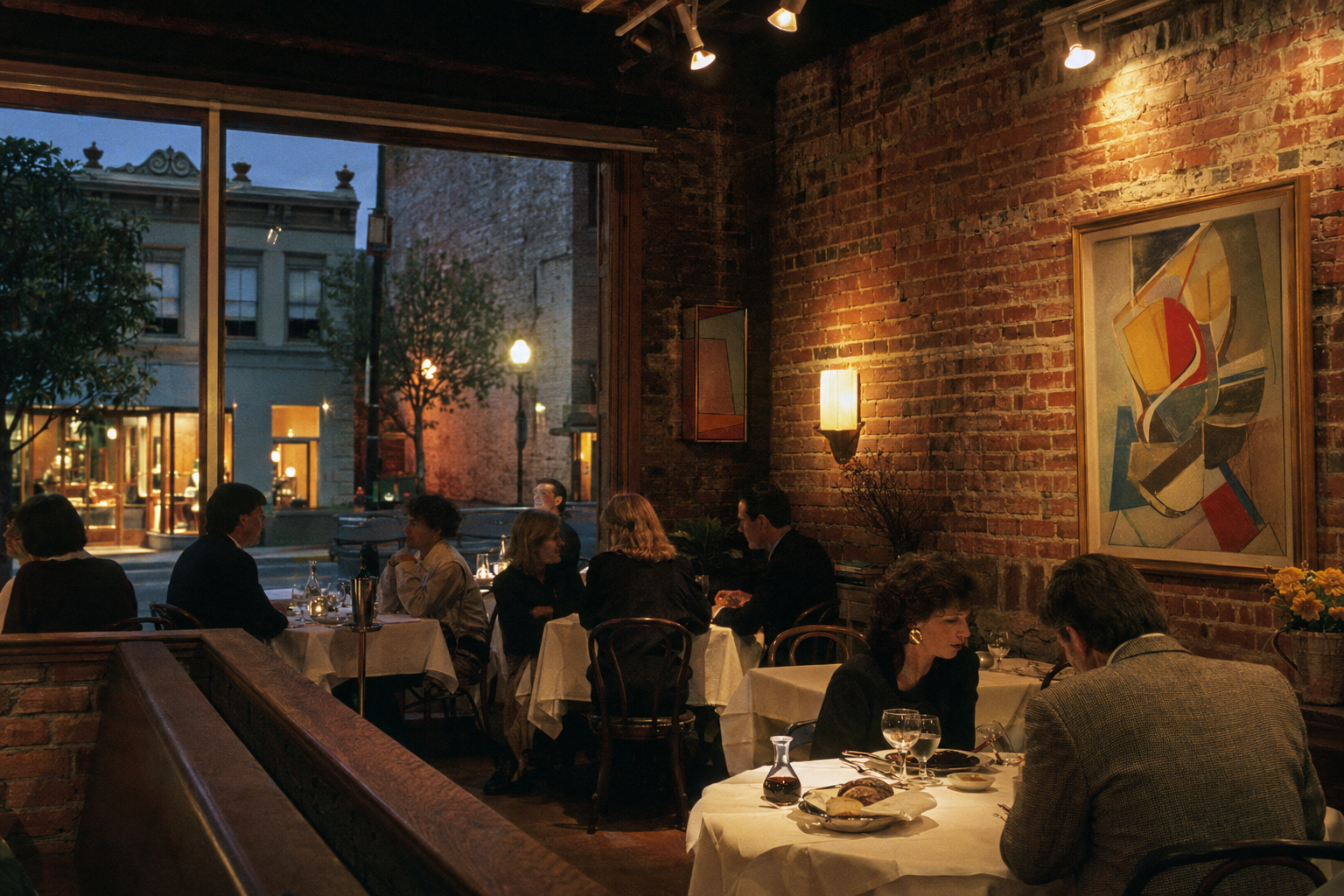
Alvin Simon’s restaurant became a destination, but part of its appeal stemmed from where it was located. Going there felt like discovering something. Dinner often included a walk past galleries, small shops, and buildings whose age and imperfections were still visible.
Meanwhile, Pasadena Heritage was fighting to protect historic structures from demolition. Property owners were rehabilitating storefronts, and the city was improving streets, alleys, and parking.
One of the central figures in turning that vision into reality was Marsha Rood, Pasadena’s Development Administrator from 1982 to 2000.
Working with preservationists, business owners and city leaders, Rood helped bring the public and private pieces together, including the parking structures and streetscape improvements that made Old Pasadena’s revival workable.
She would later describe the transformation as the work of many people—and her own role was helping put those pieces into place.
Then John Wilson arrived with considerably less restraint.
The infamous Mr. Wilson.
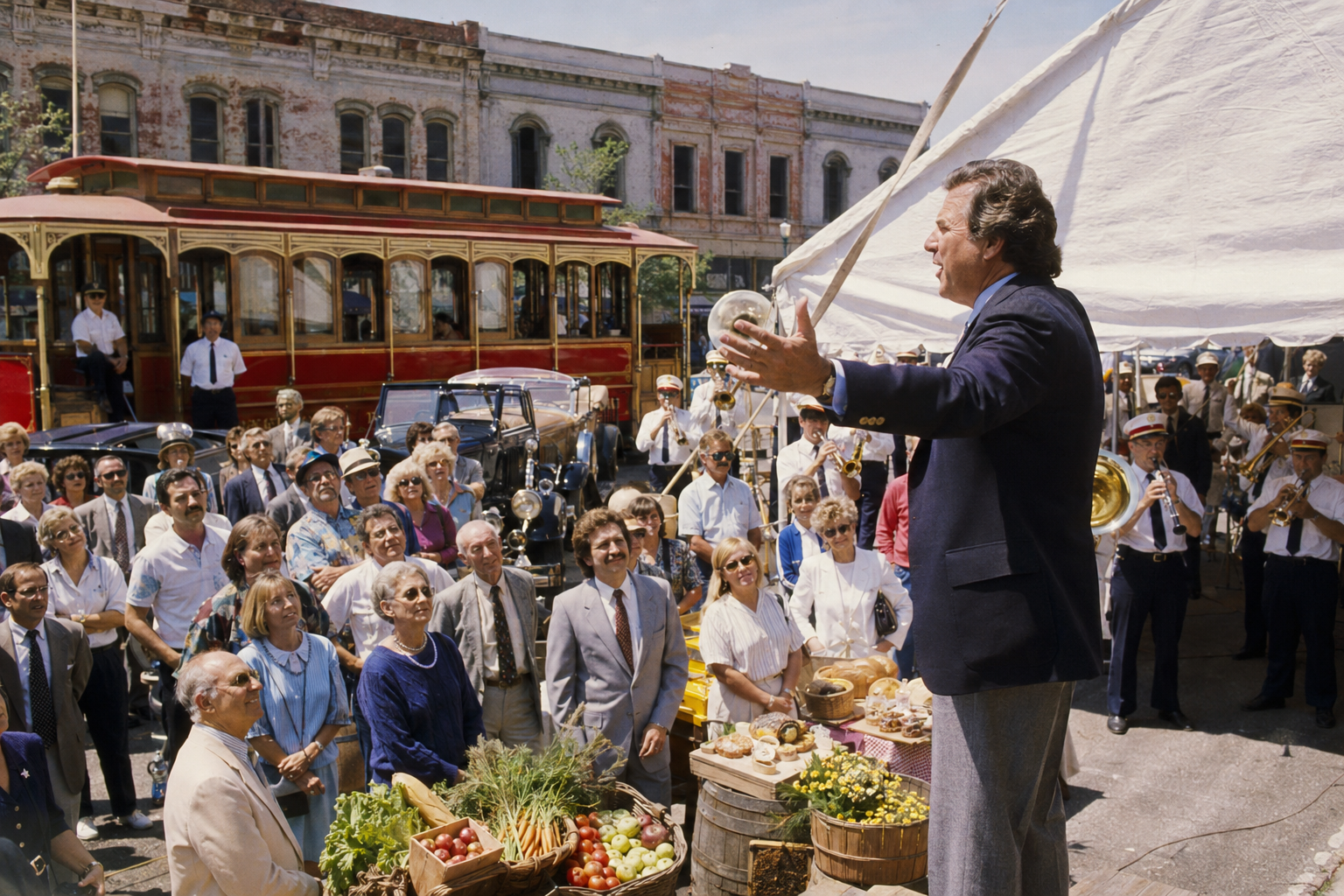
Wilson assembled properties and proposed turning an entire block into the Pasadena Marketplace. His plans included restaurants, shops, theaters, a food hall, a hotel, and antique trolleys circling the development. Wilson wanted underground parking beneath the Marketplace.
Claire Bogaard and Sue Mossman of Pasadena Heritage believed that parking idea could be a death blow to the larger district. Their concern was that people would drive directly into the Marketplace, shop and eat inside, then return to their cars without ever walking along Colorado Boulevard, Raymond Avenue, or the surrounding streets.
Wilson envisioned a major destination. Claire and Sue feared it would become an inward-facing mall that absorbed visitors rather than dispersing them throughout Old Pasadena. Pasadena Heritage eventually prevailed.
Wilson introduced his vision with an enormous party featuring bands, vintage automobiles, historic costumes, mountains of food, and thousands of guests.
John understood promotion. Subtlety was not his strongest department.
His Marketplace never materialized as promised, and he eventually lost control of the project. Other developers carried the block forward, ultimately creating One Colorado.
Yet Wilson helped persuade people that something important could happen there. Old Pasadena’s revival involved strong personalities, competing visions, money, risk, stalled projects, and constant arguments over what should remain.
Success brought a price.
As Old Pasadena became successful, larger players arrived. Rents increased. Many galleries and small businesses that had made the district interesting could no longer afford to remain.
That is one of the ironies of redevelopment: the pioneers help create the value, but they do not always get to share in it.
Old Pasadena became cleaner, busier, and more profitable. It also became less experimental. Familiar retailers replaced some businesses that could be found nowhere else.
The buildings had been saved, but some of their original character had disappeared.
Another reinvention has begun.
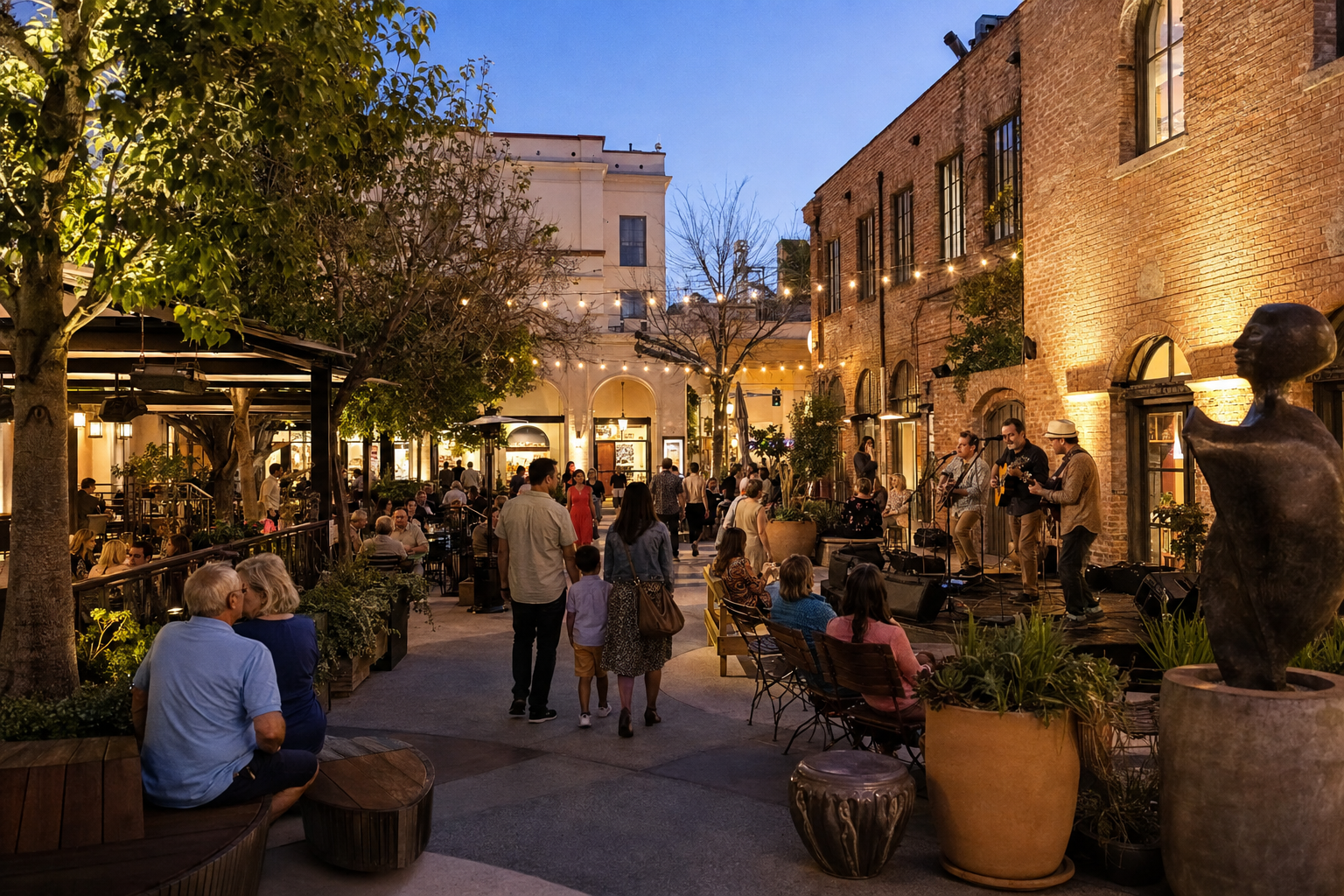
Earlier versions of Old Pasadena gave people something they could not find elsewhere. First came the galleries, independent restaurants, and sense of discovery. Later, a polished shopping-and-dining district emerged within historic buildings.
Neither formula works quite as well today.
Shopping arrives at the front door. Dinner can be delivered from an Old Pasadena restaurant without anyone setting foot in the district. A national retailer offers little reason to drive there when the same merchandise is available online or at several other shopping centers.
What cannot be delivered is the experience of being there.
So, now, more attention is turning toward outdoor dining, live music, films, public art, walking tours, active alleys, and better use of Central and Memorial Parks. Greenery, lighting, seating, convenient parking, and a greater sense of safety often determine whether someone stays for two hours or leaves after one errand.
The goal appears to be shifting Old Pasadena from primarily a place to buy things into a place to spend part of the day or evening.
Younger adults want activity and places to meet. Families want an outing that works for everyone. Longtime residents want independent stores and unexpected discoveries. Older visitors want interesting places that are also comfortable, well-lit, and easy to navigate.
The next Old Pasadena will probably not recreate the early gallery district or the shopping boom that followed it. Its opportunity is to combine what worked in both—independent businesses, food, art, historic character, and public spaces where people want to remain.
Hem-young and I have already watched Old Pasadena become something nobody expected. The interesting question is whether it can become distinctive again without driving out the people who make it so.
Our earlier story about local shopping streets in Greater Pasadena explains why these places affect how a neighborhood feels. Old Pasadena may be Pasadena’s most visible test of whether local character can continue evolving without becoming ordinary.
What do you miss about the Old Pasadena you first knew—and what would bring you back more often now?
Call Hem-young.
A neighborhood’s value includes more than its homes. The surrounding streets, restaurants, businesses, architecture, and gathering places shape what living there feels like.
Hem-young has worked in Greater Pasadena real estate since 1988 and has watched its communities change from both a personal and professional perspective. If you are considering a move, call or text Hem-young deFazio at 626-825-5599.