


“Why don’t we start a little high? We can always come down.”
It is one of the most understandable questions a seller can ask. No one wants to leave money on the table. Starting high can feel safe, while reducing the price later appears to leave every option open.
But buyers do not experience the first asking price as a temporary experiment. They see the home, compare it with other listings, and decide whether it deserves their attention.
That is where testing the market can become more expensive than it first appears.

- The Best Buyer Attention May Be Spent Too Early. Most homes receive their strongest wave of attention when they first come on the market.
- Buyers receive alerts. Agents send the listing to clients. People who have been waiting for the right home take a closer look. They also immediately compare it to what else they can buy. When the asking price feels too far above the competition, many buyers will not call to discuss it or write a lower offer. They remove the home from consideration. Testing the market can use up the most valuable days of the listing while attracting fewer showings than the home might otherwise receive.
- Buyers May Assume the Problem Is the House. A newly listed home usually gets the benefit of the doubt. Buyers are curious, attentive, and sometimes worried that someone else will act first. After the home has been available for a while, their thinking begins to change. Instead of asking, “Could this be the one?” they may begin asking, “Why hasn’t anyone bought it?” The answer may be nothing more than the original price. Buyers, however, may begin looking for problems with the condition, location, layout, or property history. Testing the market can turn a pricing problem into a perception problem.
- A Reduction Does Not Erase the First Impression. A seller may assume that a later price reduction will restart the process. A reduction can bring new attention, especially when the home enters a lower online search range. But the listing does not become completely new again. Buyers and agents can see the price history. They can also see how long the property has been available. Some buyers will reconsider the home. Others may wonder whether another reduction is coming and decide to wait. This is why testing the market is not always reversible. The price can change, but the first impression and listing history remain. We recently looked more closely at why some listings begin to feel stale surprisingly quickly.
- Negotiations May Begin to Favor the Buyer: When a home is new and attracting strong attention, buyers often worry about losing it. That concern can help protect the seller’s negotiating position. When a listing has been on the market longer than expected, buyers may feel less urgency. They may assume the seller has become more flexible and ask for a lower price, repair credits, closing-cost assistance, or other concessions. Testing the market can cost more than a later price reduction. It can also affect the terms of the final agreement.
- Waiting Has Its Own Price: Every additional week of ownership may include mortgage interest, property taxes, insurance, utilities, landscaping, cleaning, and the work of keeping the home ready to show. There is also the strain of waiting. Sellers may begin questioning the marketing, worrying about every showing, or feeling disappointed when buyers do not respond. Decisions that began with a clear plan can gradually become emotional reactions. Testing the market may appear cautious at the beginning, but carrying costs and seller fatigue can quietly change the economics.
The Best Price Is Not Necessarily the Lowest Price.
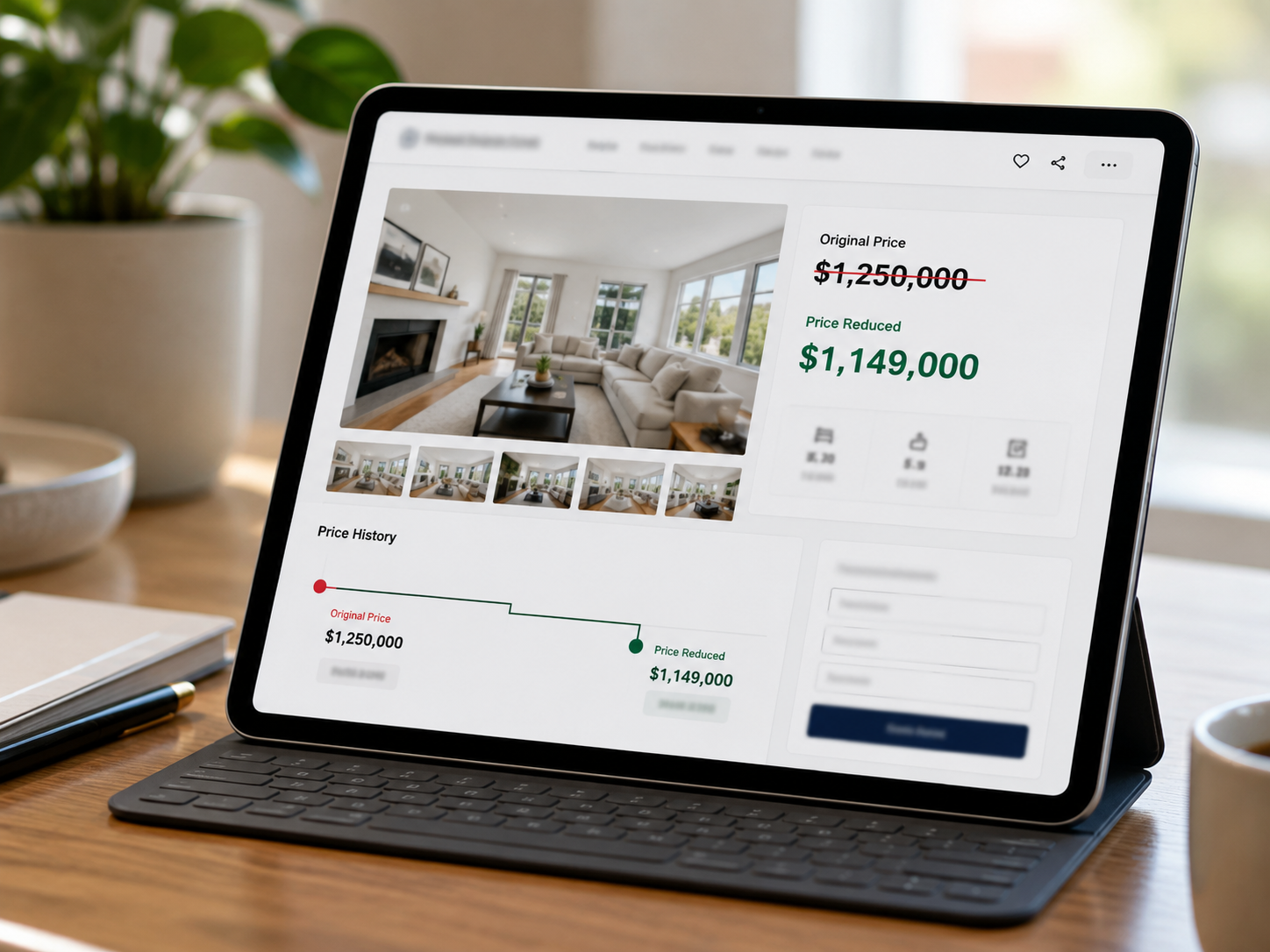
None of this means sellers should deliberately price below what their homes are worth.
The goal is not to give the property away. It is to choose an opening price that attracts the right buyers while protecting the seller’s value and negotiating position.
That means studying recent sales, current competition, condition, location, buyer search ranges, and the qualities that make the property different.
Our latest Greater Pasadena market report also shows why pricing decisions should reflect current neighborhood activity rather than broad headlines.
The National Association of Realtors explains the factors that go into establishing a home’s asking price.
Some homes can support a price above the most obvious comparable sales. That position should be based on evidence and strategy, not simply on the hope that one buyer will ignore the rest of the market.
Before Testing the Market, Test the Strategy.
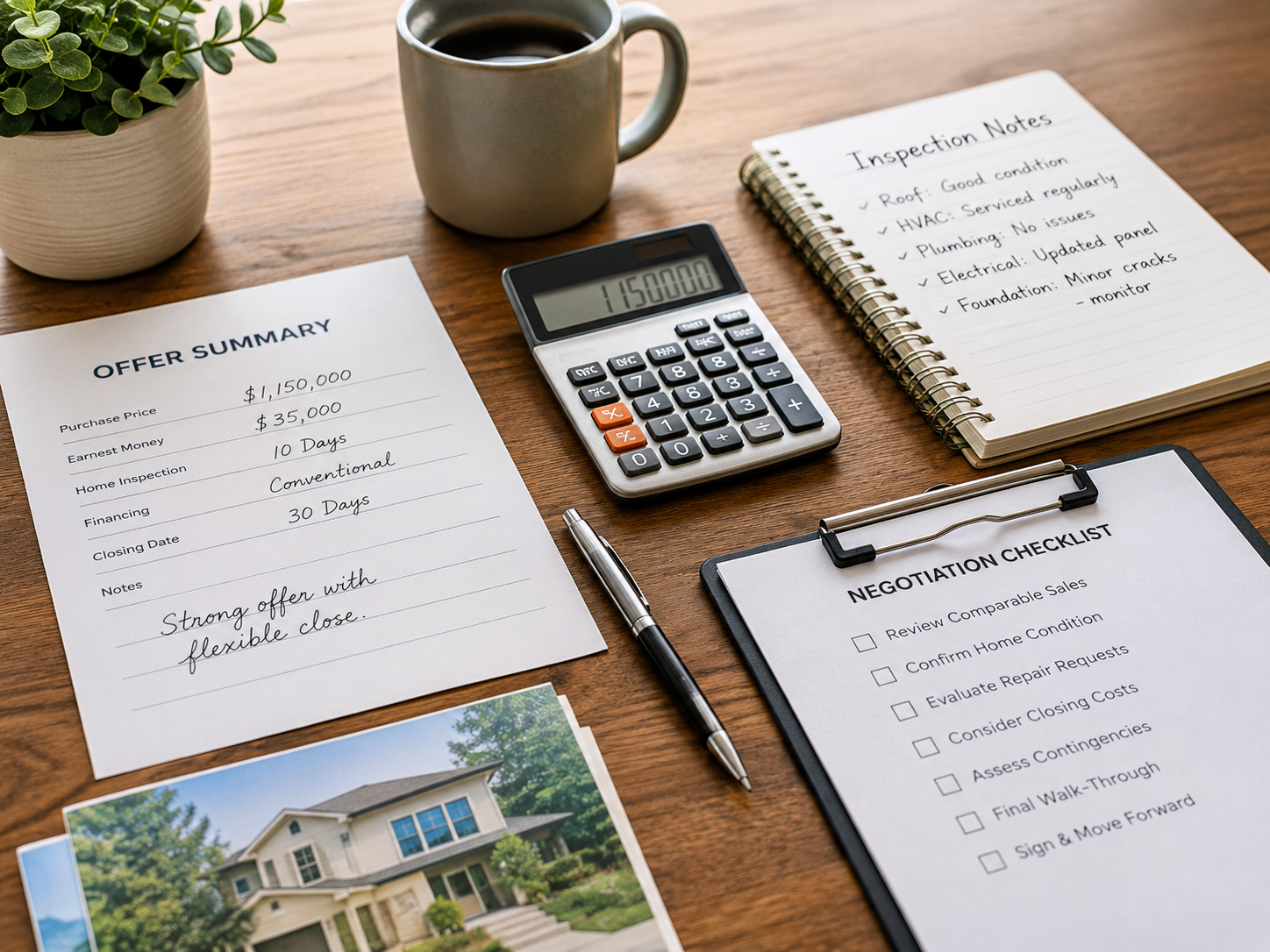
The better question is not, “How high can we start?” It is, “What opening price gives this home the strongest chance to attract attention, create confidence, and protect the seller’s position?”
Testing the market should not be the default simply because a price can be reduced later. The first asking price influences who notices the home, how buyers interpret it, and how much negotiating strength the seller carries forward.
Before deciding where to begin, call or text Hem-young deFazio at 626-825-5599. With nearly 700 homes sold, experience representing developers on major residential projects, a 98% close rate, and many strong client testimonials, she can help you study the evidence, anticipate buyer reaction, and choose a pricing strategy designed to protect your position from the start.