

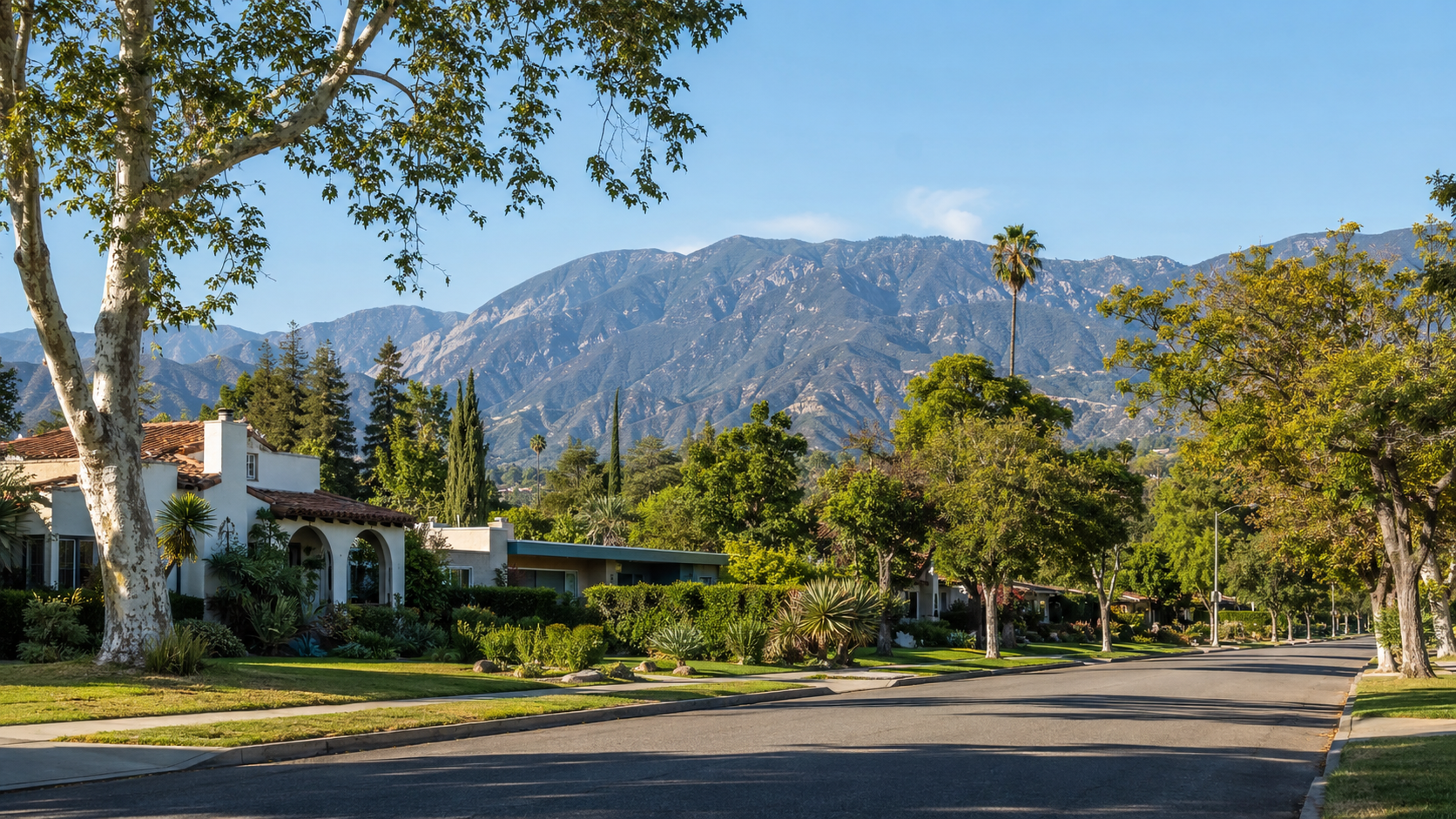
You may have noticed it in your own neighborhood. One for-sale sign disappears almost immediately. Another remains in place for weeks. Then the price changes.
This month’s Greater Pasadena market report helps explain why. Sales and pending activity increased, but so did active inventory and price reductions. The market is moving, but not every property is moving at the same speed. Our report covers Pasadena, South Pasadena, Altadena, La Cañada Flintridge and Sierra Madre.
Greater Pasadena Market Comparison.
| MLS activity | Previous report | Current report | Change |
|---|---|---|---|
| All properties | 387 | 392 | +5 |
| Private Exclusives | 0 | 0 | — |
| Coming Soon | 3 | 2 | -1 |
| New listings | 91 | 85 | -6 |
| Active listings | 124 | 132 | +8 |
| Back on market | 3 | 4 | +1 |
| Price increases | 4 | 3 | -1 |
| Price reductions | 54 | 56 | +2 |
| Accepting backup offers | 44 | 32 | -12 |
| Pending sales | 52 | 57 | +5 |
| Hold | 13 | 14 | +1 |
| Withdrawn or cancelled | 25 | 25 | — |
| Expired | 18 | 15 | -3 |
| Sold | 108 | 115 | +7 |
These are rolling MLS snapshots. Some categories overlap, so the individual categories should not be added together.
Five numbers that tell the story.
| Key indicator | Previous report | Current report | Change |
|---|---|---|---|
| New listings | 91 | 85 | -6.6% |
| Active listings | 124 | 132 | +6.5% |
| Price reductions | 54 | 56 | +3.7% |
| Pending sales | 52 | 57 | +9.6% |
| Closed sales | 108 | 115 | +6.5% |

Buyers are present—but selective.
Closed sales increased from 108 to 115, while pending sales rose from 52 to 57. These are useful signs of activity in the Greater Pasadena market report.
The national picture also improved in June. Zillow’s June housing-market report found that sales increased 5.9% from a year earlier. Los Angeles-area sales increased 6.6%.
The local numbers, however, show that buyers are not responding equally to every property.
New listings declined from 91 to 85, but active inventory rose from 124 to 132. Some homes sold, while others remained available long enough to increase the active supply.
That is how two nearby homes can have very different results.
One may offer the location, condition and price buyers expect. Another may need work but be priced as though it does not. Buyers tend to recognize the difference quickly.
What the price reductions tell us.

Price reductions increased from 54 to 56. That does not mean home values throughout Greater Pasadena declined. It means some sellers began at prices that did not produce the response they expected.
Buyers usually see new listings almost immediately. They can compare photographs, property details, recent sales and competing homes before deciding whether to schedule a showing. If the value is not clear, many wait.
A later reduction may bring a property back into consideration, but it cannot recreate the attention the home received during its first days on the market. Real estate remains local, but buyer reaction now travels at internet speed.
More inventory does not always mean more choice.
The Greater Pasadena market report shows 132 active listings, up from 124. But the total number of available homes does not tell us whether buyers can find the particular home they want.
Many local searches are narrowly defined by school district, neighborhood, architectural style, lot size or walkability.
A buyer interested in La Cañada Flintridge may not be considering a Pasadena condominium. Someone looking in South Pasadena may concentrate on a specific school boundary. A Sierra Madre buyer may place particular value on the village setting.
Inventory can therefore increase while the homes that appeal to a particular group of buyers remain scarce.
Why longtime owners may not be moving.
Another factor affecting inventory is that longtime owners are not automatically downsizing.
The Wall Street Journal recently reported that some baby boomers are expanding their existing homes or buying larger ones. They may want room for family, caregivers, hobbies or aging-in-place improvements.
That idea makes sense in Greater Pasadena, where many people have lived in the same home for decades. They may have substantial equity, favorable property taxes and either no mortgage or a loan with a much lower rate than they could obtain today.
A smaller replacement property may not save enough money to justify leaving a house and neighborhood that still work for them.
As a result, the homes people expect to come on the market do not always appear.
What we see beneath the numbers.

Broad labels such as “buyer’s market” or “seller’s market” do not fully describe what is happening.
This Greater Pasadena market report shows more closed and pending sales, but also more active listings and price reductions. Buyers are participating, but they are choosing carefully.
Even if you have no plans to move, the comparison helps explain what you see around town: why one home sells quickly, another reduces its price and a third never comes on the market at all.
The next Greater Pasadena market report may move some of these numbers in a different direction. For now, the market is active, selective and highly dependent on the individual property.
Hem-young deFazio has helped sell nearly 700 homes, represented developers on major residential projects and maintained a 98% closing rate. If you are curious about a neighborhood sale or what recent activity may mean for your property, call or text Hem-young. Sometimes the most useful real estate conversation begins long before anyone plans to move.