
The Story of the Rose Parade and Rose Bowl Game.
TABLE OF CONTENTS
Contents
Every New Year’s Day, Pasadena transforms into the epicenter of tradition and celebration with the iconic Rose Parade and Rose Bowl game. Known for its stunning floral floats, spirited marching bands, equestrian units, and thrilling football, this event captures the imagination of millions worldwide.
But there’s more to the story than meets the eye. Let’s dive into the history, behind-the-scenes details, and how this celebration enriches both visitors and locals alike.
The Who, What, Where, When, and Why
Who: Organized by the Tournament of Roses Association, the parade and game bring together thousands of participants, from float designers to football teams, dancers, and volunteers. These contributors span the globe, uniting for a day of artistry and athleticism.
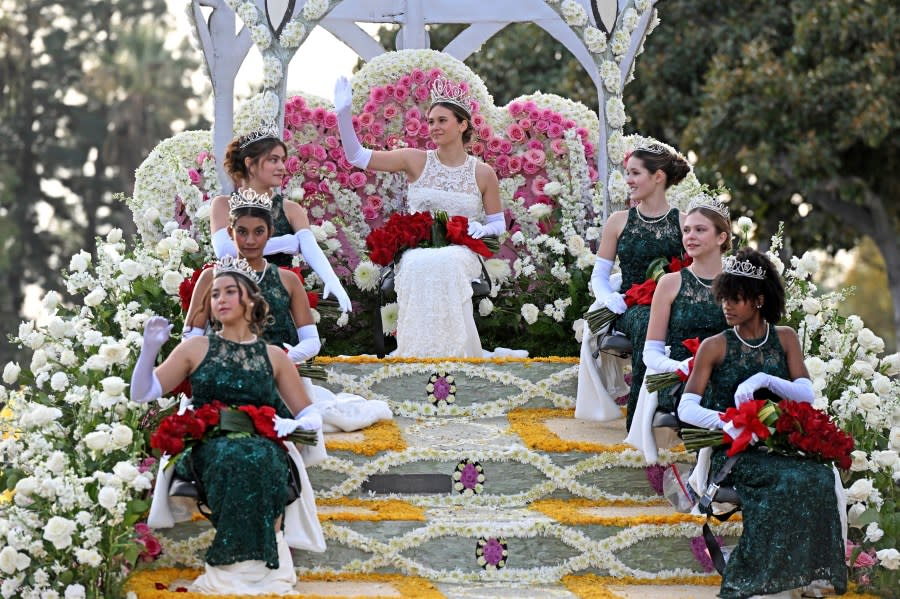
What: The Rose Parade showcases elaborate floats adorned with fresh flowers, seeds, and organic materials. The Rose Bowl game features top college football teams battling it out in a historic stadium.
Where: The parade follows a 5.5-mile route along Colorado Boulevard and adjacent streets, while the Rose Bowl game takes place in the Rose Bowl Stadium, nestled in the Arroyo Seco.
When: The parade begins at 8 a.m. PST on January 1 (or January 2 when New Year’s falls on a Sunday), followed by the game in the afternoon.
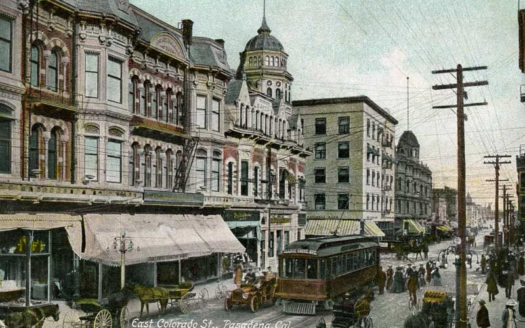
Why: The origins of the Rose Parade date back to 1890, initiated by Charles Frederick Holder and other members of the Valley Hunt Club. Their vision was to promote Pasadena’s warm winter climate by hosting an event that showcased the region’s natural beauty. Holder famously stated, “In New York, people are buried in snow. Here our flowers are blooming, and our oranges are about to bear. Let’s hold a festival to tell the world about our paradise.” The parade began as a small procession of flower-decorated carriages and has since blossomed into a global tradition.
The Rose Bowl game was added in 1902 to extend the festivities. Initially featuring a football match between Stanford University and the University of Michigan, the game was part of an effort to draw more visitors and broaden the event’s appeal. After a hiatus due to the overwhelming dominance of Michigan in that first game, the football tradition resumed in 1916 and became an annual highlight.
The Building of the Rose Bowl
The Rose Bowl Stadium, an architectural icon, was constructed in 1922 to provide a permanent home for the growing football tradition. Designed by architect Myron Hunt, the stadium’s bowl shape was inspired by the Yale Bowl in New Haven, Connecticut. Originally seating 57,000 spectators, it has since been expanded to accommodate over 90,000 fans, making it one of the largest stadiums in the United States. Today, it’s not just a football venue but a National Historic Landmark, revered for its cultural and historical significance.
Little-Known Facts and Unique Angles
-
A Floats’ Journey: While millions see the completed floats on television, few realize the meticulous year-long process of planning, designing, and decorating. Every inch of the floats must be covered in natural materials, a testament to creativity and dedication.
-
Victory Park Display: After the parade, visitors can get up close to the floats at Victory Park, marveling at the intricate details and sheer volume of flowers and seeds used in their construction. It’s an awe-inspiring experience that we’ve cherished.
-
Behind the Scenes on Orange Grove Blvd: Walking Orange Grove Boulevard as the floats line up is a unique way to witness the parade’s magic coming together. Talking to dancers and watching them rehearse adds an intimate layer to the spectacle.
-
The Goodyear Blimp and Flyover Jets: The Goodyear blimp arrives days early, hovering over Pasadena, creating a sense of anticipation. And when jets roar across the sky from east to west at the parade’s start, it’s a thrilling, spine-tingling moment.
-
Erecting the Bleachers: Long before the parade begins, bleachers are erected along Colorado Boulevard, transforming the streetscape into a grand viewing arena. Watching as TV cameras and broadcast equipment are installed and tested adds a behind-the-scenes excitement, hinting at the scale and precision of the production to come.
Current Insights: Visitors and Local Impacts
The Rose Parade and Bowl attract hundreds of thousands of visitors to Pasadena, bringing an economic boost to local businesses. Hotels fill to capacity, restaurants buzz with activity, and shops brim with customers seeking souvenirs. For locals, it’s an opportunity to share Pasadena’s beauty with the world while reveling in the festive energy.
However, it’s not all glitz and glam. Road closures, parking challenges, and crowds require some adjustments. Still, for most residents, the event is a point of pride and a reminder of the city’s unique charm.
Why It Matters
The Rose Parade and Rose Bowl game are more than just entertainment. They’re cultural touchstones that bring people together, celebrate creativity, and highlight Pasadena’s special place in the world. Whether you’re a first-time visitor or a lifelong local, the experience is unforgettable.
Ready to Learn More?
The Rose Parade and Rose Bowl game are annual showcases of Pasadena’s unique culture and beauty. With a rich history, iconic traditions, and global attention, these events not only captivate millions but also inspire inquiries from those drawn to the stunning visuals of Pasadena, including the breathtaking sunlit mountains often highlighted on national TV. Whether you’re a visitor or local, the magic of this tradition leaves a lasting impression. If you are impressed watching on TV and want to know and experience more, call me at 626-825-5599!
Visit our website at AroundTownPasadena.com for ongoing information about greater Pasadena, its unique neighborhoods, and what makes it an exceptional place to live and work.
See you at the parade?