

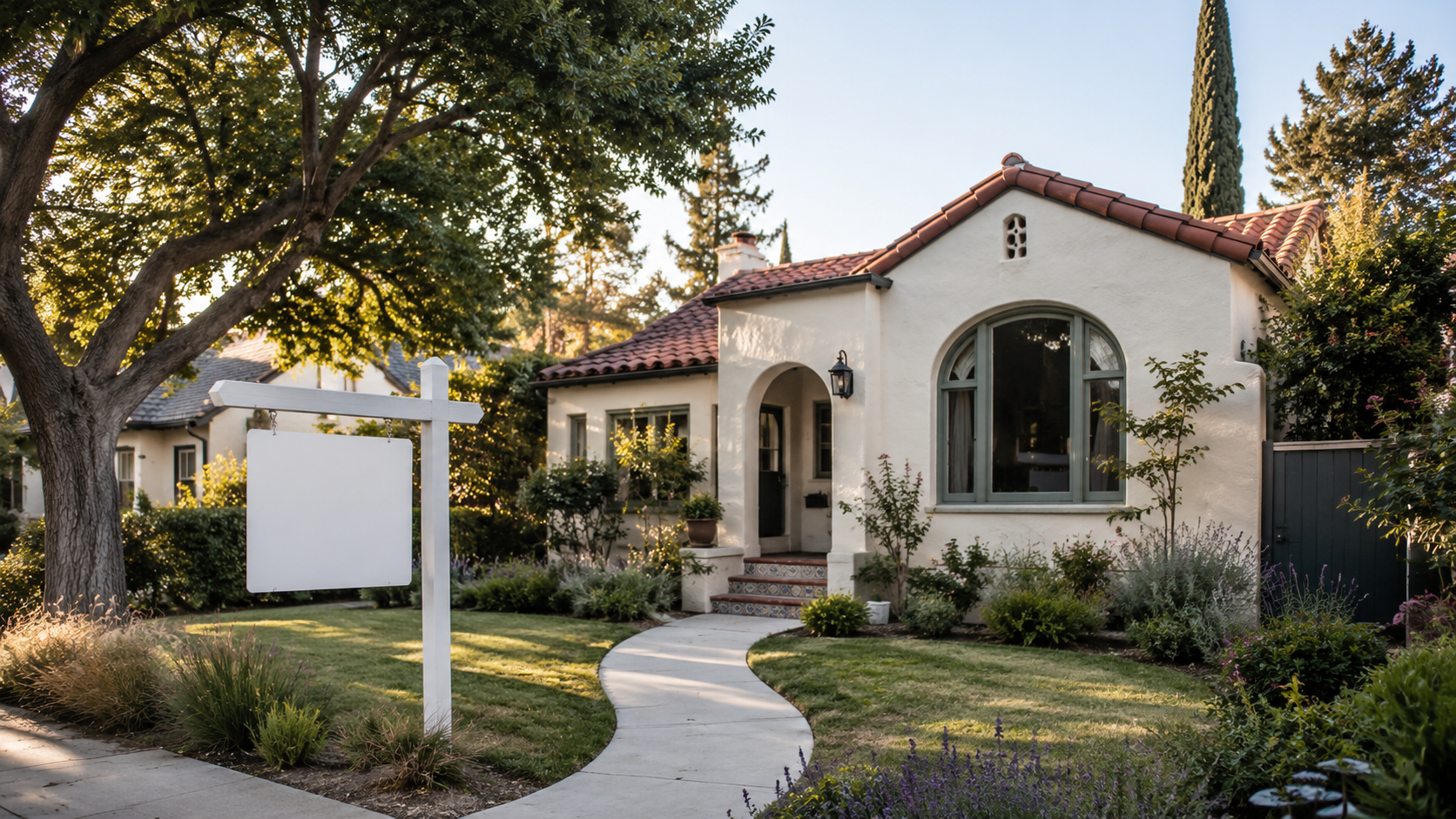
Stale Listings – MONDAY REAL ESTATE TIP #38
Why Some Listings Feel “Stale” Almost Immediately
In real estate, a listing does not have to sit for months to begin feeling old.
Sometimes a home can be on the market for only a week or two and already feel like buyers have quietly moved on. The photos are still fresh. The open houses are still happening. The seller may still feel as though the property “just came on.” But in the mind of the market, something has shifted.
That is how stale listings begin.
A home does not become stale simply because time passes. It becomes stale when buyers stop feeling urgency.
A stale listing is not always a bad home. In fact, many stale listings are perfectly good properties that entered the market with one or two avoidable disadvantages. The price may have been slightly too ambitious. The presentation may not have matched buyer expectations. The marketing may not have created enough urgency. Or the first group of buyers may have seen the home and decided, fairly or unfairly, that there was no reason to act quickly.
In Greater Pasadena, where buyers often compare homes across Pasadena, South Pasadena, Altadena, La Cañada Flintridge, Sierra Madre, and San Marino, that first impression matters. Buyers are not just looking at one property in isolation. They are comparing light, layout, condition, location, charm, price, school district, insurance concerns, commute patterns, and lifestyle fit. Their decision process is not a spreadsheet. It is more like a mental movie trailer. If the opening scene does not grab them, they may never watch the full film.
The First Buyers Are Usually the Best Test
When a home first comes on the market, it usually receives attention from the most motivated buyers. These are the people already watching the market closely. They have alerts set up. They know the neighborhoods. They have seen what recently sold. They are waiting for something worthwhile.
That first wave is valuable because it tells the truth quickly.
If the home is priced well, presented well, and marketed well, buyers usually respond. They ask questions. They schedule showings. They come back for second visits. They discuss terms. Sometimes they write offers.
If the response is weak, sellers often want to explain it away. Maybe buyers were busy. Maybe the weekend was slow. Maybe the right buyer just has not seen it yet. Sometimes that is true. But often the market is saying something.
This is where stale listings can sneak up on a seller. The home may not look stale on paper yet, but buyer behavior has already cooled.
Why a Listing Can Feel Stale So Fast
There are several common reasons this happens.
The first is price. A home does not have to be wildly overpriced to lose momentum. Even being slightly above the buyer’s sense of value can create hesitation. Buyers may like the home but decide to wait. That waiting is dangerous because once buyers believe they have time, urgency fades.
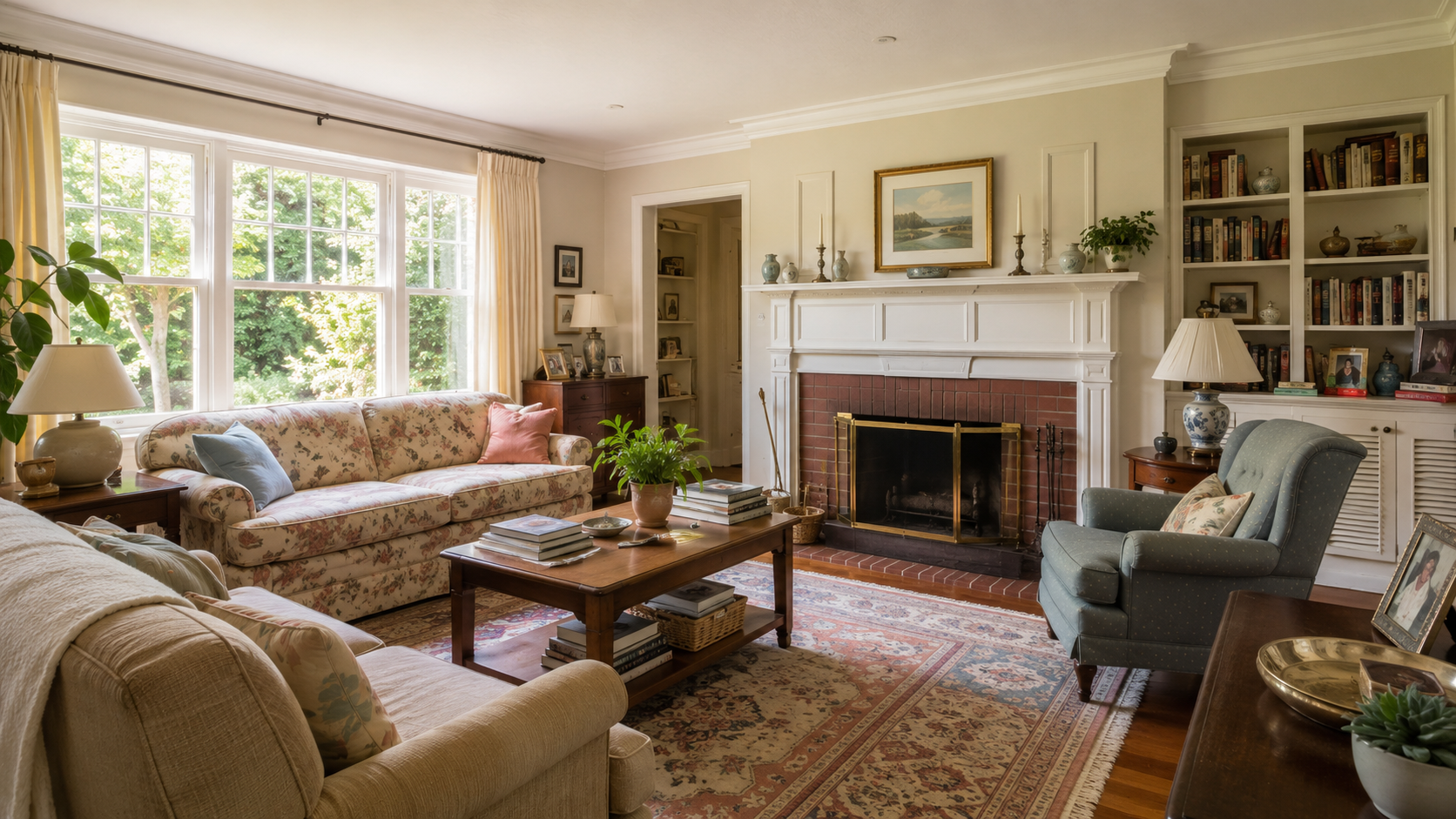
The second is presentation. Small issues can become big emotional signals. Peeling paint, tired landscaping, dim rooms, worn carpet, cluttered counters, or awkward furniture placement can make buyers feel the home needs more work than it actually does. In a market where many buyers are already stretched by rates, insurance, and renovation costs, small flaws can feel expensive.
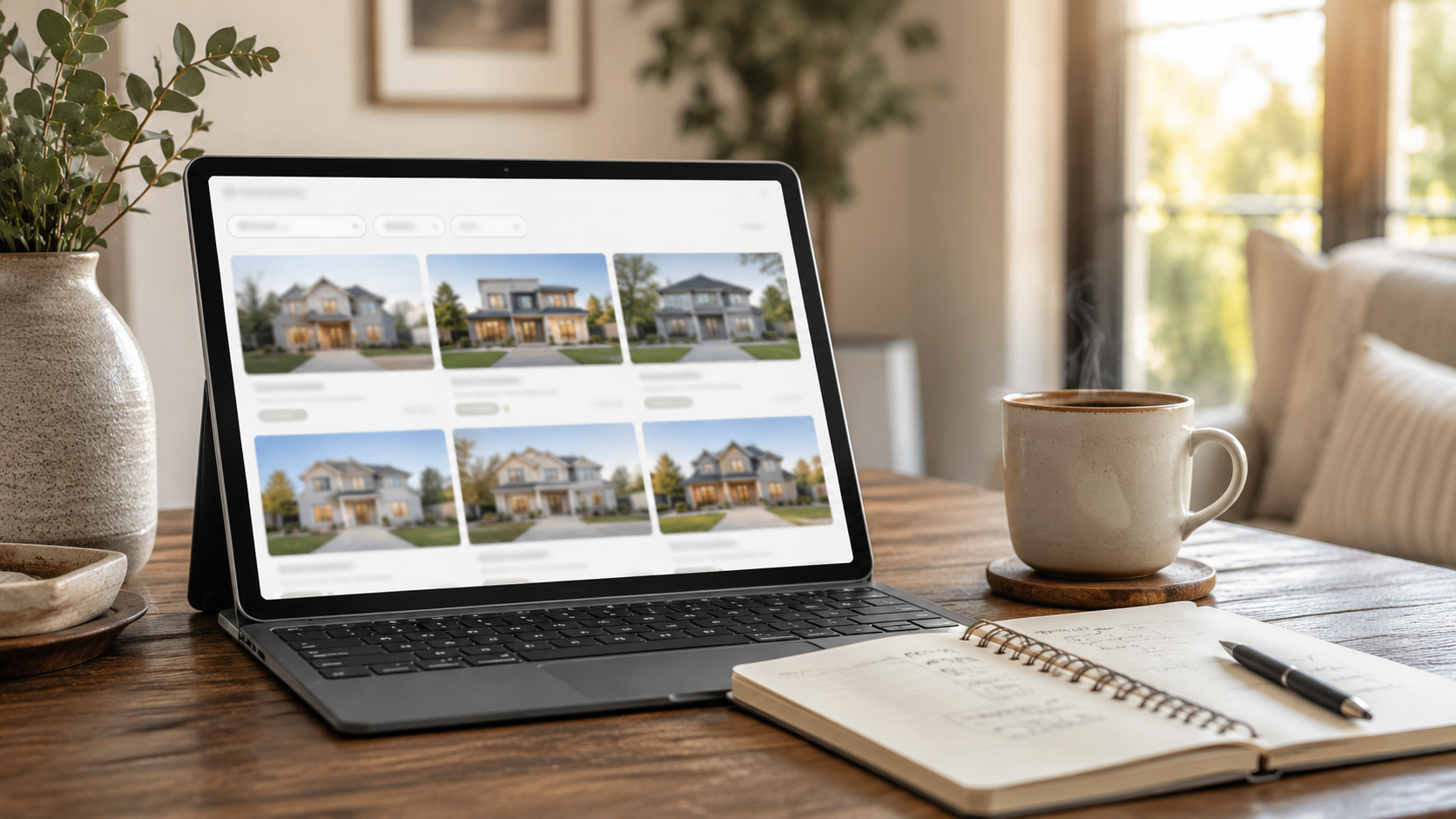
The third is photography and online positioning. Buyers often decide whether a home is worth seeing before they ever step inside. If the lead photo is weak, the lighting looks flat, or the best features are buried too deep in the photo order, the listing may never get the attention it deserves.
The fourth is mismatch. Sometimes the home is marketed as one thing but experienced as another. A property described as “move-in ready” may feel dated in person. A home presented as private may have more street noise than expected. A “large yard” may not be very usable. When the promise and the reality do not match, buyers lose confidence.
The Pros and Cons of Waiting
There is a reasonable argument for patience. Not every home sells in the first weekend. Unique homes, higher-end properties, unusual floor plans, or homes in smaller buyer pools may need more time. A character home with a special layout may need the right buyer, not just the first buyer. A hillside home, estate property, or architectural property may require more education and more targeted marketing.
That is the pro side of waiting: sometimes, time allows the correct buyer to find the property.
The con is that waiting can become passive. If the early response is weak and nothing changes, the listing may begin to look shopworn. Buyers may wonder what they are missing. Agents may start saying, “That one is still available.” The property can move from “new opportunity” to “why hasn’t it sold?” very quickly.
That question is the little warning bell of stale listings. Once buyers hear it, they start negotiating in their heads before they even visit.
Why Price Reductions Do Not Always Fix the Problem
Many sellers assume that if a home does not sell, they can simply reduce the price later. Sometimes that works. But price reductions do not always restore the energy of a new listing.
A price reduction can attract a new group of buyers, especially if it moves the home into a more searched price bracket. That is the positive side.
The problem is that a reduction can also confirm what buyers already suspected: the home was overpriced. If the first impression was weak, a lower price may not fully erase that impression. Buyers may still wonder if another reduction is coming. Instead of creating urgency, the reduction can encourage waiting.
That is why avoiding stale listings is not just about price. It is about alignment: price, preparation, presentation, timing, and messaging all working together from the beginning.
What Sellers Can Do Before Going Live
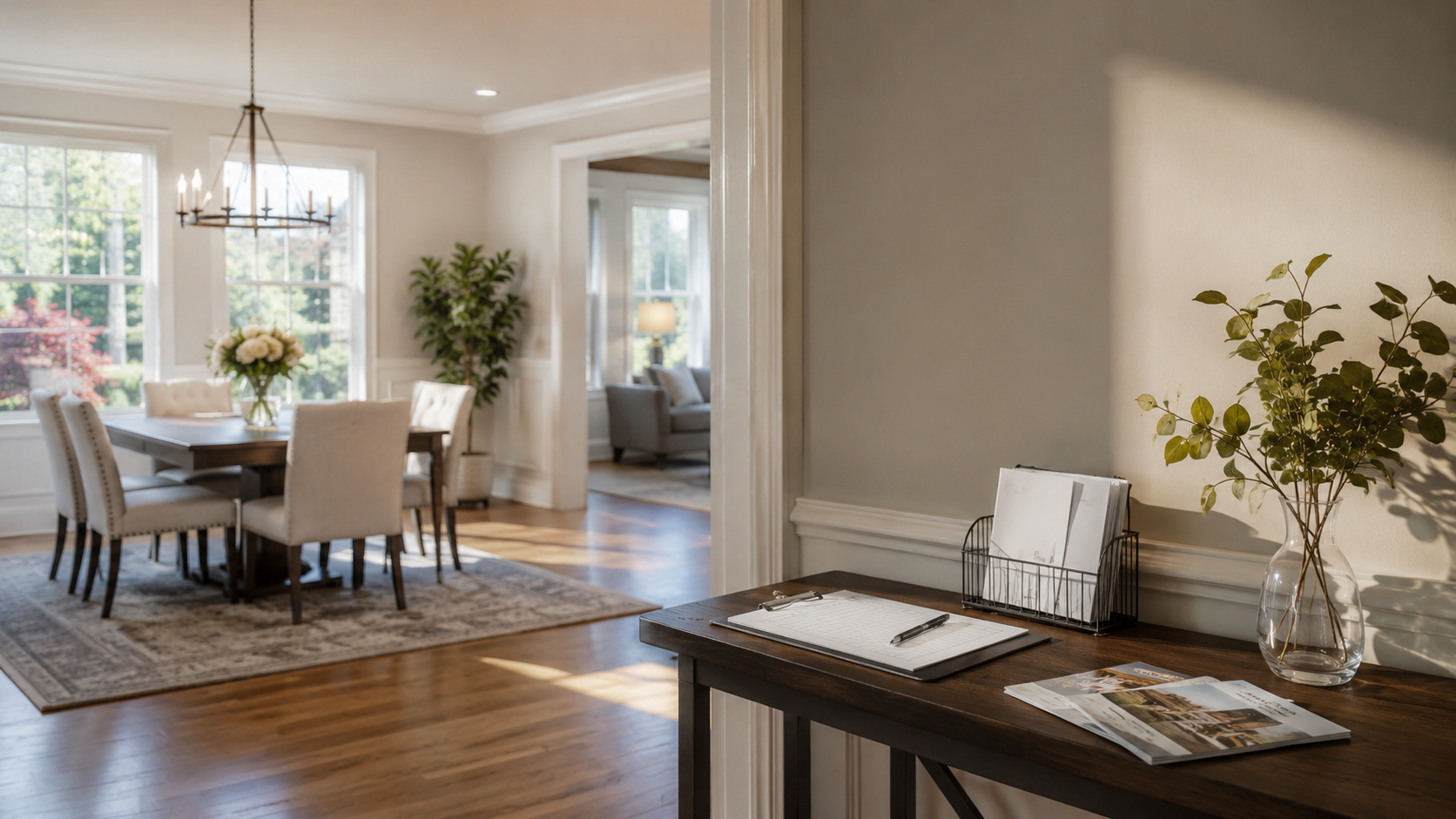
The best way to avoid becoming stale is to make the listing feel clear, confident, and well-positioned from day one.
That starts with honest pricing. Not wishful pricing. Not “let’s just try it” pricing. A smart asking price should reflect recent comparable sales, current competition, buyer sensitivity, and the property’s actual condition.
It also means preparing the home through the eyes of a buyer. Sellers often stop seeing what they live with every day. Buyers see everything at once. The loose handle. The tired porch light. The crowded dining room. The dark hallway. The smell from the garage. None of these may be deal-breakers alone, but together they create friction.
Good preparation removes friction.
Marketing also matters. The photos should lead with the home’s strongest emotional and practical features.
The description should be accurate without overselling. The showing experience should match the online promise.
And the launch should create enough visibility that motivated buyers feel they need to pay attention now.
What Buyers Should Understand About “Stale” Homes
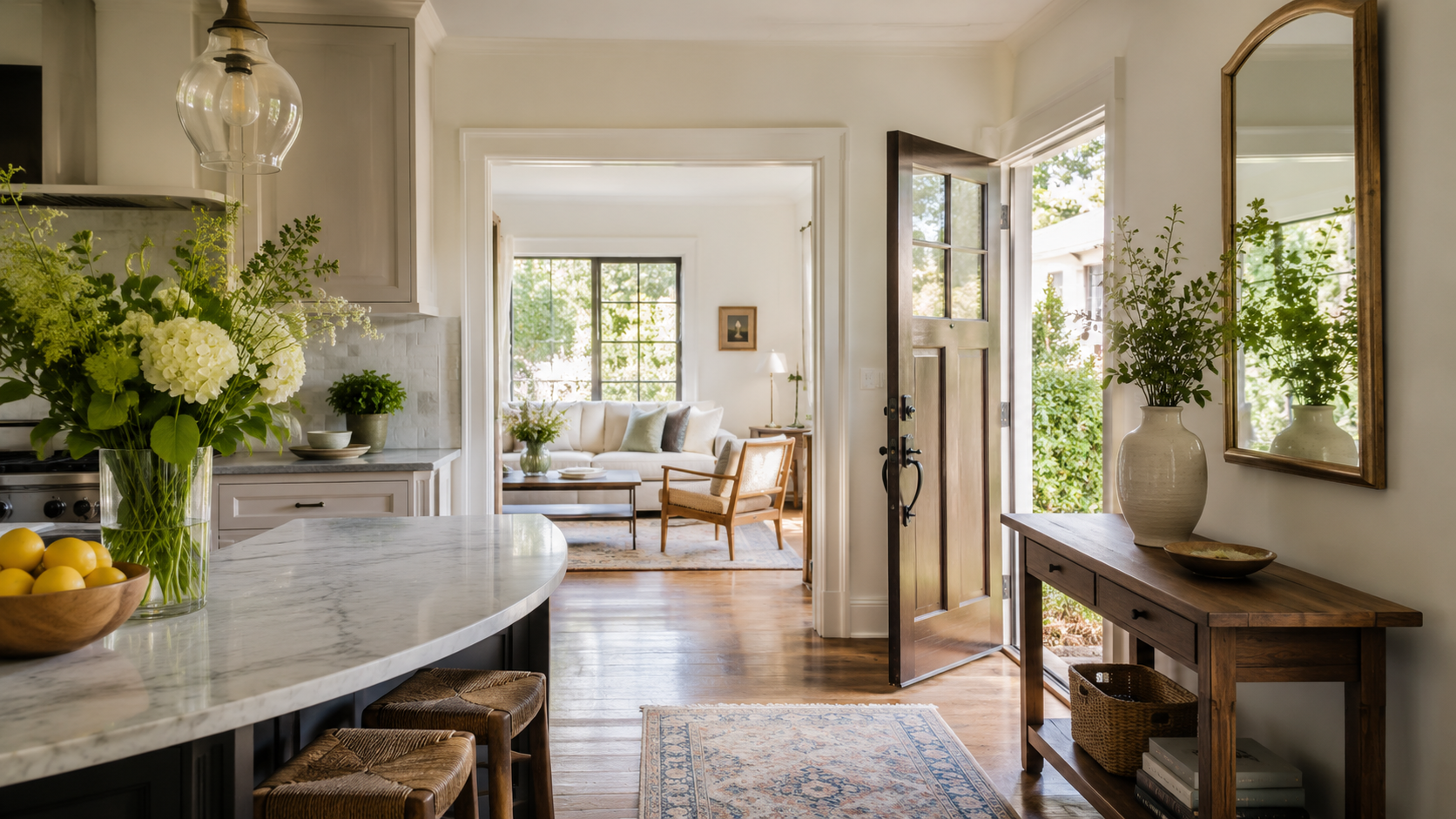
For buyers, stale listings can be opportunities, but not always bargains.
A home sitting on the market may be overpriced, poorly presented, or misunderstood. It may also have a condition issue, location concern, insurance complication, or seller expectation problem.
Buyers should not dismiss it automatically, but they also should not assume time on market means desperation.
The right question is not, “How long has it been listed?” The better question is, “Why has it not sold yet?”
Sometimes the answer reveals opportunity. Sometimes it reveals risk.
The Takeaway
A listing becomes stale when buyer confidence fades.
That can happen quickly. Long before the days-on-market number looks alarming, buyers may already have formed an opinion. They may think the home is overpriced, too much work, poorly presented, or simply not compelling enough compared with the alternatives.
For sellers, the goal is to avoid that drift. The first launch should feel intentional, not experimental. A home should arrive on the market with a clear price, strong presentation, smart marketing, and a reason for buyers to act.
For buyers, stale does not always mean flawed. It means the market has paused. And when the market pauses, careful buyers can sometimes find room to think, negotiate, and uncover value.
In Greater Pasadena real estate, momentum is not magic. It is usually the result of preparation meeting buyer psychology at exactly the right moment.
Practical Takeaways
For sellers: The first week matters because the most motivated buyers usually see the home early.
A listing can feel stale before the days-on-market number looks high. Slight overpricing can be enough to reduce urgency; price reductions may help, but they do not always recreate launch momentum. Preparation, pricing, photography, and buyer expectations need to line up before going live.
For buyers: Stale listings should not be ignored automatically. Time on market may signal an opportunity, but it may also signal a real concern. Ask why the home has not sold. Compare condition, price, location, and seller motivation before assuming it is a bargain.
Before Your Home Goes Live, Get the Strategy Right
The market forms an opinion quickly. Once buyers decide a listing feels overpriced, uncertain, or stale, it can take more than a price reduction to change the story.
That is where Hem-young’s preparation and pricing strategy matter.
Before launching a home in Greater Pasadena, Hem-young looks closely at buyer behavior, current competition, presentation, pricing psychology, and the small details that influence whether buyers feel urgency or hesitation.
A stronger launch is not about guessing high and adjusting later. It is about entering the market with clarity, confidence, and a plan.
Thinking about selling in Pasadena, South Pasadena, Altadena, La Cañada Flintridge, Sierra Madre, or San Marino? Call or text Hem-young before the market forms its first impression.