
A One-Hour Pasadena Architectural Walk That Explains Everything
Pasadena Architectural Walk – Living Well in Greater Pasadena.
If you want to understand Pasadena, don’t drive it. Walk it.
We feature the Park Place-Arroyo Terrace district today. Start at the Gamble House, just off Orange Grove Boulevard. From there, give yourself an hour or so—and follow the streets rather than a map. That’s when a Pasadena architectural walk begins to reveal what makes this city different.
Step 1: Begin at the Gamble House and Head South.
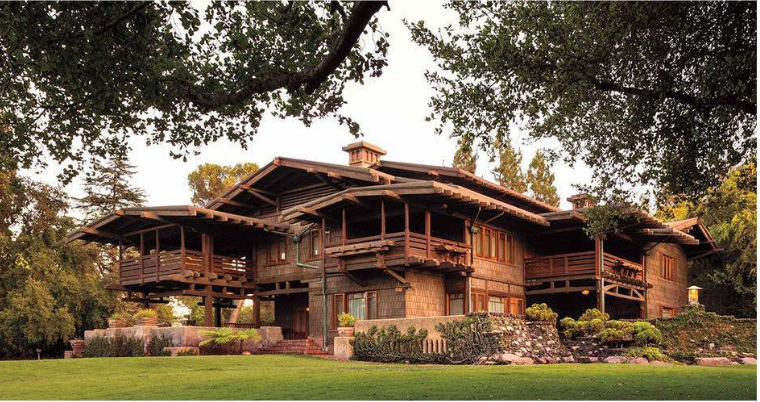
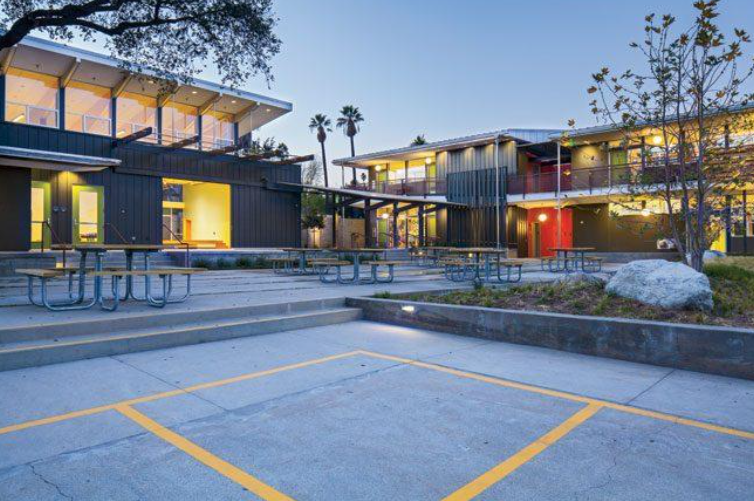
Stand for a moment at the Gamble House. Then begin walking south, moving past Sequoyah School.
Before you turn, it’s worth slowing down here.
The Sequoyah High School buildings carry their own architectural language—simpler, more modern in expression—but carefully composed. They sit comfortably within the neighborhood rather than competing with it.
Even early in this Pasadena architectural walk, you begin to see how different generations of design coexist.
Step 2: Turn West Onto Arroyo Terrace.
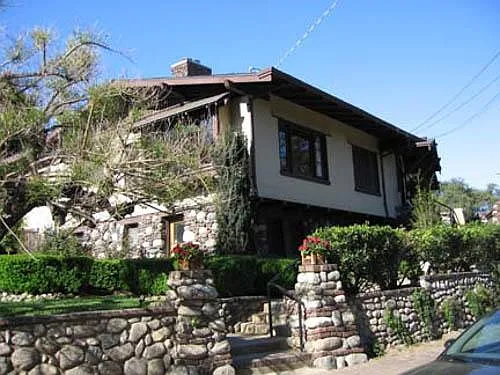
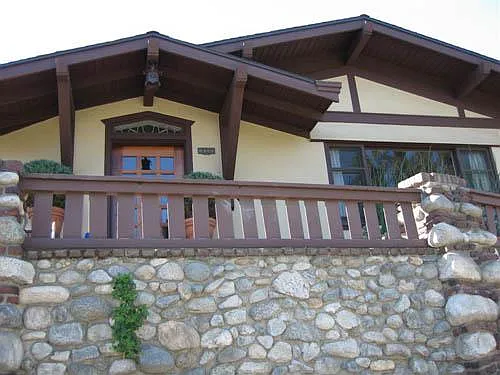
Continue until you reach Arroyo Terrace, then turn west.
This is where the walk begins to unfold—and where the geography matters.
Arroyo Terrace doesn’t reveal itself all at once.
It curves, opens, and tightens again as you move through it. Along the upper portion of the street, you’ll find a cluster of Greene & Greene homes, and a Buff and Hensman condo building, while other sections transition more quietly.
Nothing calls attention to itself. Instead, you begin to notice:
- how the street bends and frames the homes
- how the houses sit into the landscape
- how craftsmanship reveals itself gradually
This is where a Pasadena architectural walk becomes something more than observation—it becomes orientation.
Step 3: Turn South on Grand at the Duncan–Irwin House.
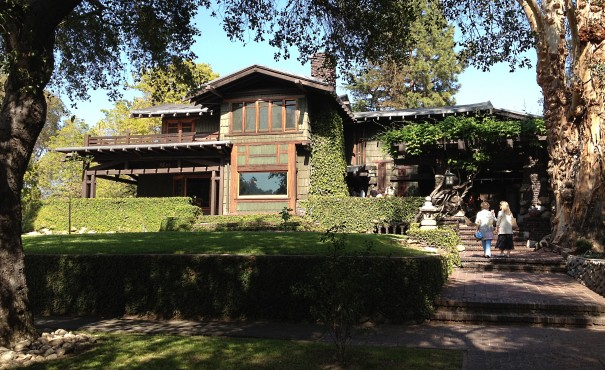
At the southern end of Arroyo Terrace, you meet Grand Avenue.
On the corner sits the Duncan–Irwin House, another Greene & Greene design—but noticeably different in scale and presence from the homes you’ve just passed.
Where Arroyo Terrace feels intimate and restrained, this house steps forward. The proportions expand. The composition becomes more formal.
It’s not a departure—it’s a broader expression of the same architectural language.
Turn south onto Grand Avenue here.
Why This Corner Matters.
Within just a few minutes of this Pasadena architectural walk, you’ve seen:
- smaller, more intimate residential work
- and now a larger, more commanding interpretation of the same ideas
Prominent Pasadena architects Charles and Henry Greene designed seven of the district’s houses; the district is the most concentrated collection of their works in Pasadena. Two other noted Craftsman architects, Myron Hunt and Sylvanus Marston, also designed homes in the district, including Hunt’s own residence, and more recently, Buff and Hensman. That range is part of what makes this area so revealing. It’s a reminder that even within a single architectural voice, there’s range—and you can see it here in just a few steps.
Step 4: Continue South—And Watch the Architecture Shift.
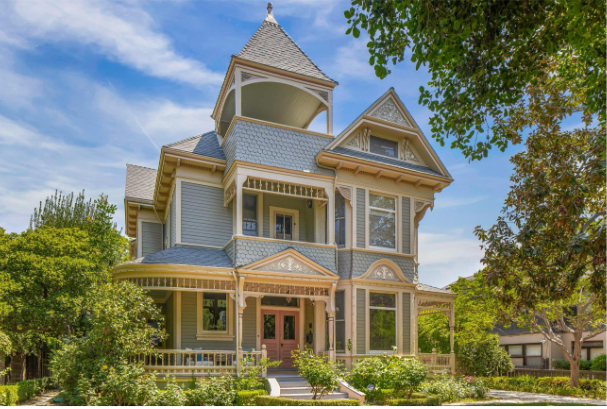
Continue south for about half a block. And then you’ll see it.
A Queen Anne home, more vertical, more expressive, and completely distinct from the Craftsman homes you’ve just passed.
It feels unexpected—but it isn’t.
In just a few minutes, this Pasadena architectural walk carries you across architectural eras—without leaving the neighborhood.
What You Begin to Notice.
At some point, something clicks. It’s not just the homes—it’s how they relate to each other.
- consistent setbacks
- integrated landscaping
- proportions that feel balanced
Nothing feels rushed. Architectural historian Robert Winter encouraged people to see Los Angeles this way—not just as landmarks, but as neighborhoods that reveal themselves slowly. If you happen to have his An Architectural Guidebook to Los Angeles in hand on a walk like this, the experience deepens.
This kind of Pasadena architectural walk isn’t just about individual homes. It’s about learning how to see what holds them together.
Why It Matters When You Live Here.
Walk this neighborhood once, and it’s interesting. Walk it a few times, and you begin to understand something deeper. A Pasadena architectural walk reveals why certain neighborhoods hold their value—not just financially, but in how they feel over time.
A Different Way to See Pasadena.

There’s no ticket. No schedule. Just a starting point—and a direction. Start here. Walk south. Turn onto Arroyo Terrace. Then continue down Grand.
Take your time. What you’ll notice isn’t just the homes—but how everything around them still works together.
If you’re curious where else this kind of architectural character shows up—or how it connects to home values—Hem-young can help you see the patterns that aren’t obvious at first.