
🏡 Wednesday Market Snapshot: Greater Pasadena + California 2026 Forecast.
As 2025 winds down, buyers and sellers want to know: what comes next? This week’s Greater Pasadena real estate forecast 2026 blends local community data with the newly released California Association of REALTORS® statewide outlook. The message is clear: steadier prices, easing rates, and more inventory are on the horizon. Let’s dive into the numbers for Pasadena, South Pasadena, Altadena, and La Cañada Flintridge — and see how they align with the broader 2026 forecast.
1. Local Community Snapshots.
Pasadena
South Pasadena
- Median sale price: ~$1.72M (+1.3% YoY)
- Average days on market: ~45
- Market: Very competitive; multiple offers common.
- 📊 Source: Redfin
Altadena
- Median sale price: ~$930K (–34.6% YoY; skewed by low volume)
- Average days on market: ~48 (+15 YoY)
- Market: Softer demand, longer sales cycle.
📊 Source: Redfin
2. Regional Highlights – Quick Take.
The Greater Pasadena real estate forecast 2026 matches statewide trends identified by C.A.R.:
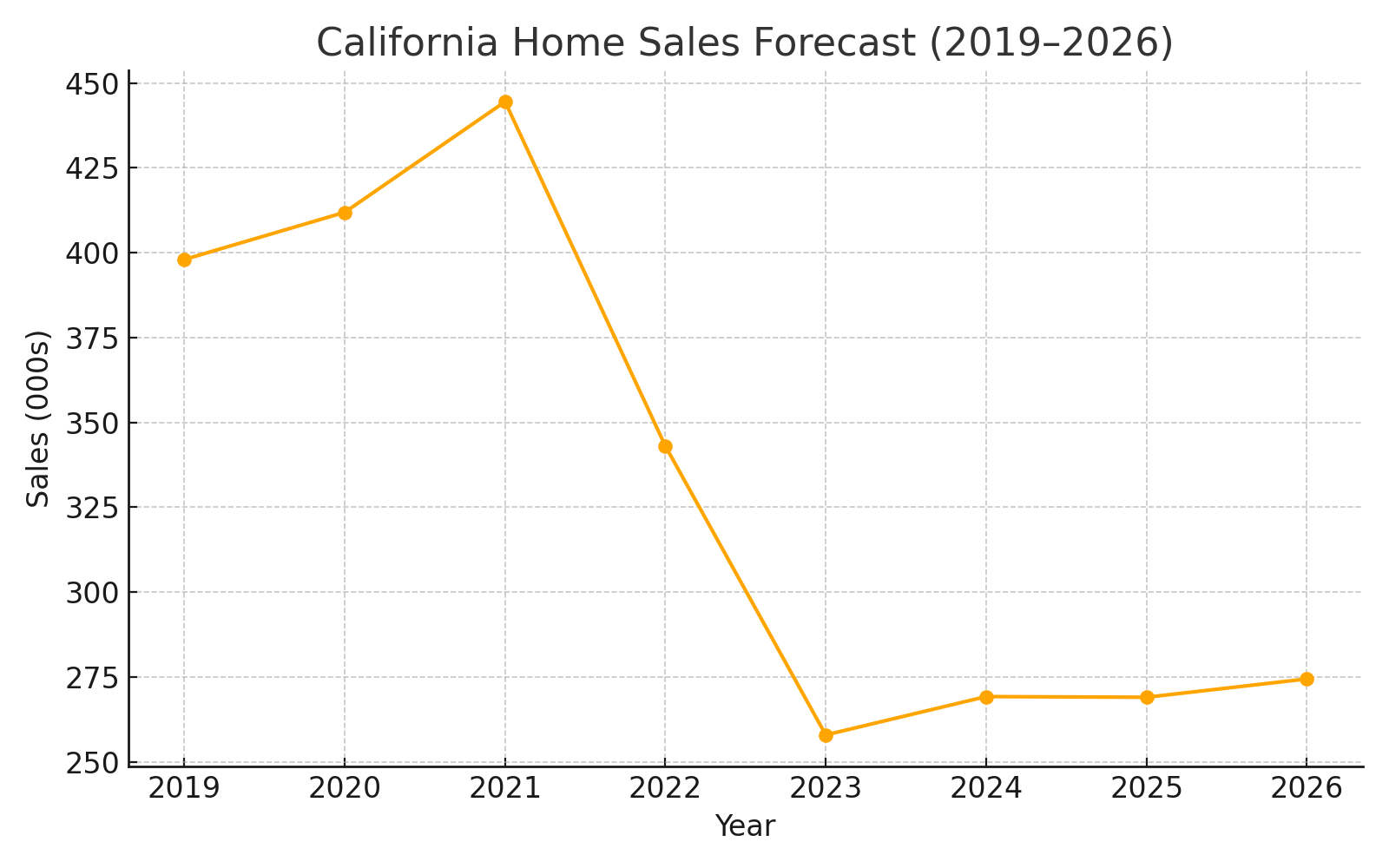
- Sales: Up 2% to 274,400 units.
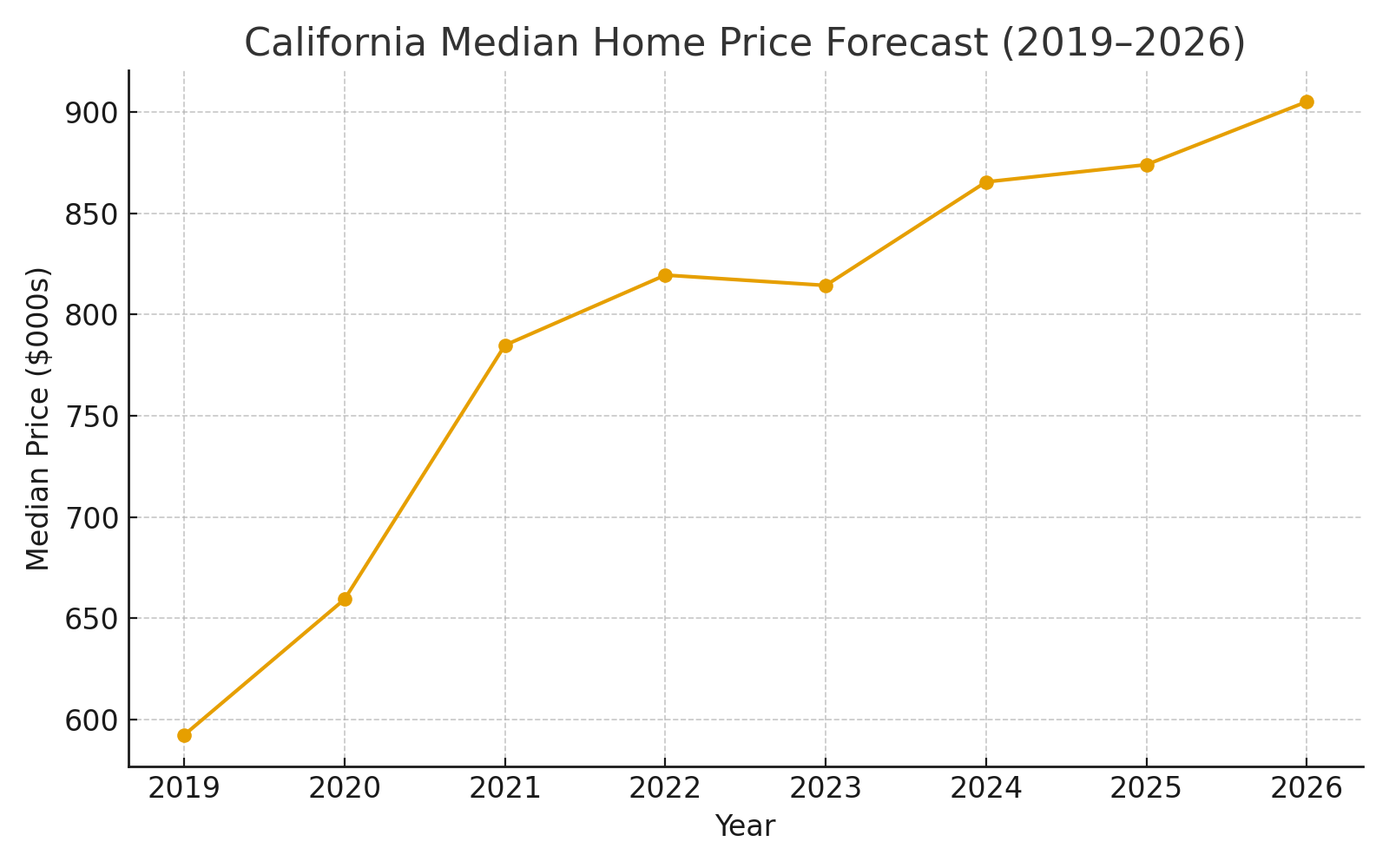
- Prices: Median climbing to $905,000 (+3.6%).
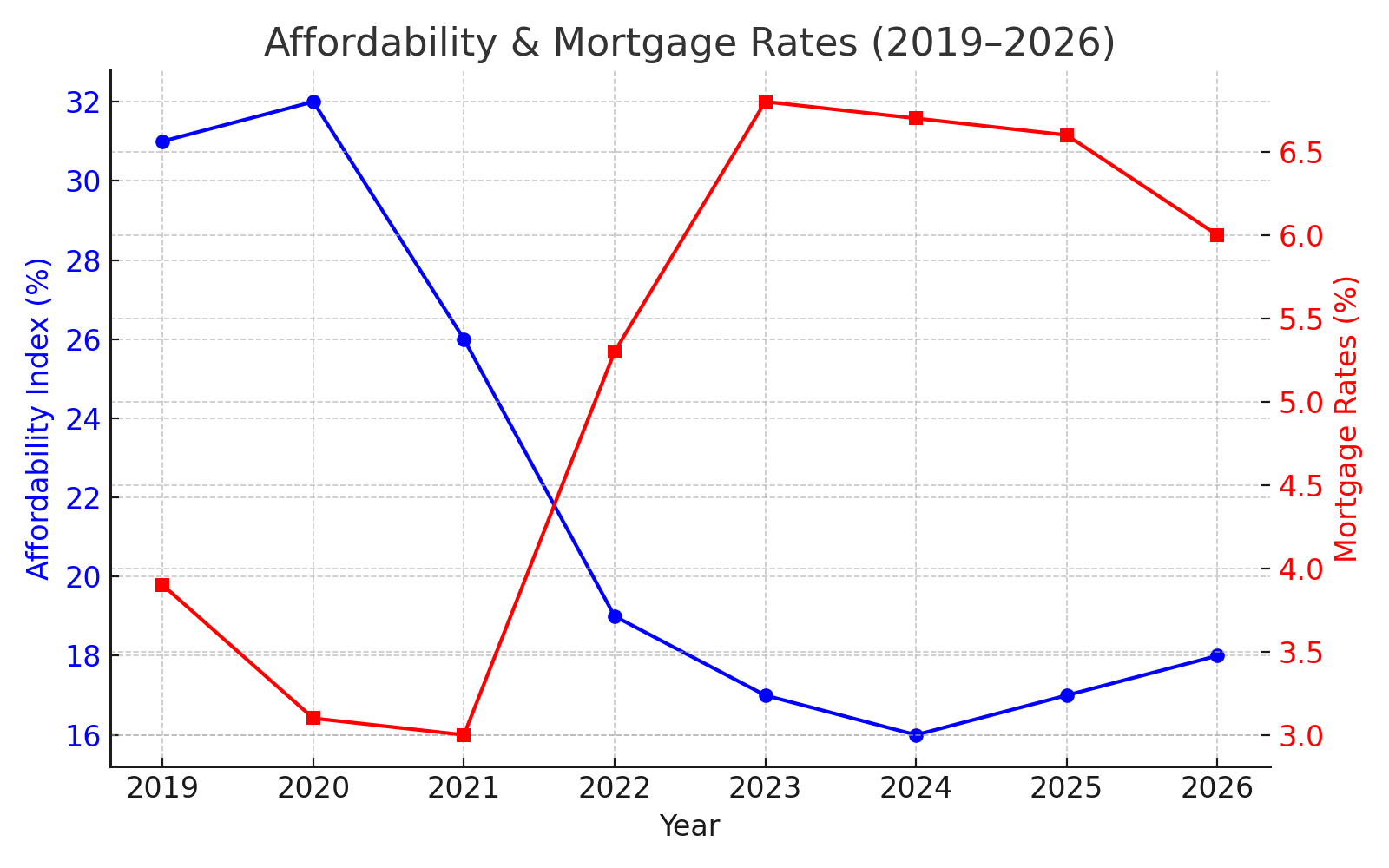
- Affordability: Improving to 18% — the highest since 2023.
- Rates: Mortgage rates easing to 6.0% in 2026.
- Inventory: Supply rising ~10%, bringing conditions closer to pre-pandemic balance.
3. The California Association of REALTORS® (C.A.R.) projects that the state housing market will begin to recover from 2025’s near-flat performance, with 2026 marking a year of cautious but real improvement:
- Home Sales: Transactions are forecast to increase 2% in 2026 to 274,400 units, up slightly from 269,000 in 2025. While modest, this upturn suggests the market may be stabilizing after two years of subdued activity.
- Median Price: California’s median price is expected to reach a new high of $905,000, a 3.6% rise from 2025. This follows a mild 1% uptick in 2025, underscoring that price growth has shifted from the double-digit surges of the pandemic era to a steadier, more sustainable pace.
- Affordability: The Housing Affordability Index is projected to improve to 18% in 2026 (up from 17% in 2025 and 16% in 2024). Though still historically low, this means a slightly larger share of California households will be able to qualify for a median-priced home — an important shift for first-time buyers.
- Mortgage Rates: The average 30-year fixed mortgage rate is expected to moderate from 6.6% in 2025 to 6.0% in 2026. While still above the rock-bottom pandemic levels, this represents meaningful relief for buyers — and importantly, it puts borrowing costs below the 50-year average of nearly 8%.
- Jobs & Economy: The forecast anticipates U.S. GDP growth slowing to 1.0% in 2026, while California’s job growth is projected at 0.3%, both lower than 2025. Unemployment in California will likely edge up to 5.8%. These macro shifts may temper demand but also cool inflation pressures.
- Inflation & Costs: CPI inflation is expected to rise back to 3.0% in 2026 after dipping to 2.8% in 2025. This suggests the fight against inflation isn’t over, and household budgets may still feel pressure — even as lower rates ease monthly housing payments.
- Housing Supply: Active listings are projected to rise nearly 10%, returning closer to pre-pandemic norms. More homes on the market means less bidding-war frenzy and a healthier balance between buyers and sellers.
- Risks to Watch: C.A.R. flags several headwinds, including trade tensions, the home insurance crisis, and a potential stock market bubble. These external risks could weigh on confidence and affordability, even as core housing metrics improve.
In summary: The 2026 outlook is one of measured optimism. Lower mortgage rates and a small affordability bump should attract more buyers, while steady (but not runaway) price growth reassures sellers. Inventory growth will be welcome news after years of tight supply, but global and financial risks remain a wildcard.
In short, the Greater Pasadena real estate forecast 2026 sits in a statewide environment of balance: not a boom, but more opportunities and fewer headwinds than we’ve seen in years.
4. Trend Commentary.
- Pasadena & LCF: Demand remains robust, with rising values and steady buyer interest.
- South Pasadena: Extremely competitive — limited supply keeps pressure on prices.
- Altadena: Volatile YoY data highlights the effect of low inventory; it could benefit most from statewide supply growth.
- Statewide: Slower economic growth will temper demand, but lower mortgage rates and more listings bring optimism.
This is why the Greater Pasadena real estate forecast 2026 matters: it highlights the shift from scarcity and unpredictability toward steadier, healthier housing dynamics.
5. Takeaway for Buyers & Sellers.

- Buyers: Lower rates + higher inventory will make 2026 a better environment to find the right home without the bidding frenzy. Preparing now ensures you’re ready when conditions improve.
- Sellers: With values holding firm and moderate growth projected, equity is protected. Listing ahead of larger supply increases could secure stronger offers.
Whether you’re planning a move soon or next year, the Greater Pasadena real estate forecast 2026 suggests opportunities on both sides of the table.
This week, our email greeting is dedicated to Yom Kippur, a time of reflection and renewal. While we are not linking this Market Snapshot directly in that message, we’re sharing it here for visitors who want to stay current with the numbers.
If you’d like to talk through what the Greater Pasadena real estate forecast 2026 means for your home or your next move, reach out to Hem-young deFazio.
With decades of experience and more than 600 properties sold in the Greater Pasadena area, Hem-young brings both expertise and personal care to every client. She can provide neighborhood-level insights, recent sales data, and guidance tailored to your goals.

Contents