

By Hem-young deFazio
One of this summer’s biggest movies is filled with mythical creatures from a story told nearly 3,000 years ago.
Christopher Nolan’s The Odyssey has earned more than $1.1 billion worldwide, becoming the highest-grossing film of his career. Audiences know that Odysseus will encounter the Cyclops, Sirens, sea monsters, and angry gods during his long journey home. We even know how the story ends.
Yet people still want to hear it.
That does not surprise me. I grew up in Korea with many brothers and sisters and a mother who seemed to have an anecdote or parable for almost every situation. She did not usually lecture us about how to behave. Instead, she told us a story.
Its meaning might not become clear immediately. Sometimes the lesson waited until we encountered a similar problem ourselves. Then one of my mother’s stories would return, carrying advice she had given us years earlier.
When I came from Korea to Pasadena, those stories came with me. I still remember them, repeat them, and apply their lessons to our daily life. Dominic has heard many of them—sometimes more than once.
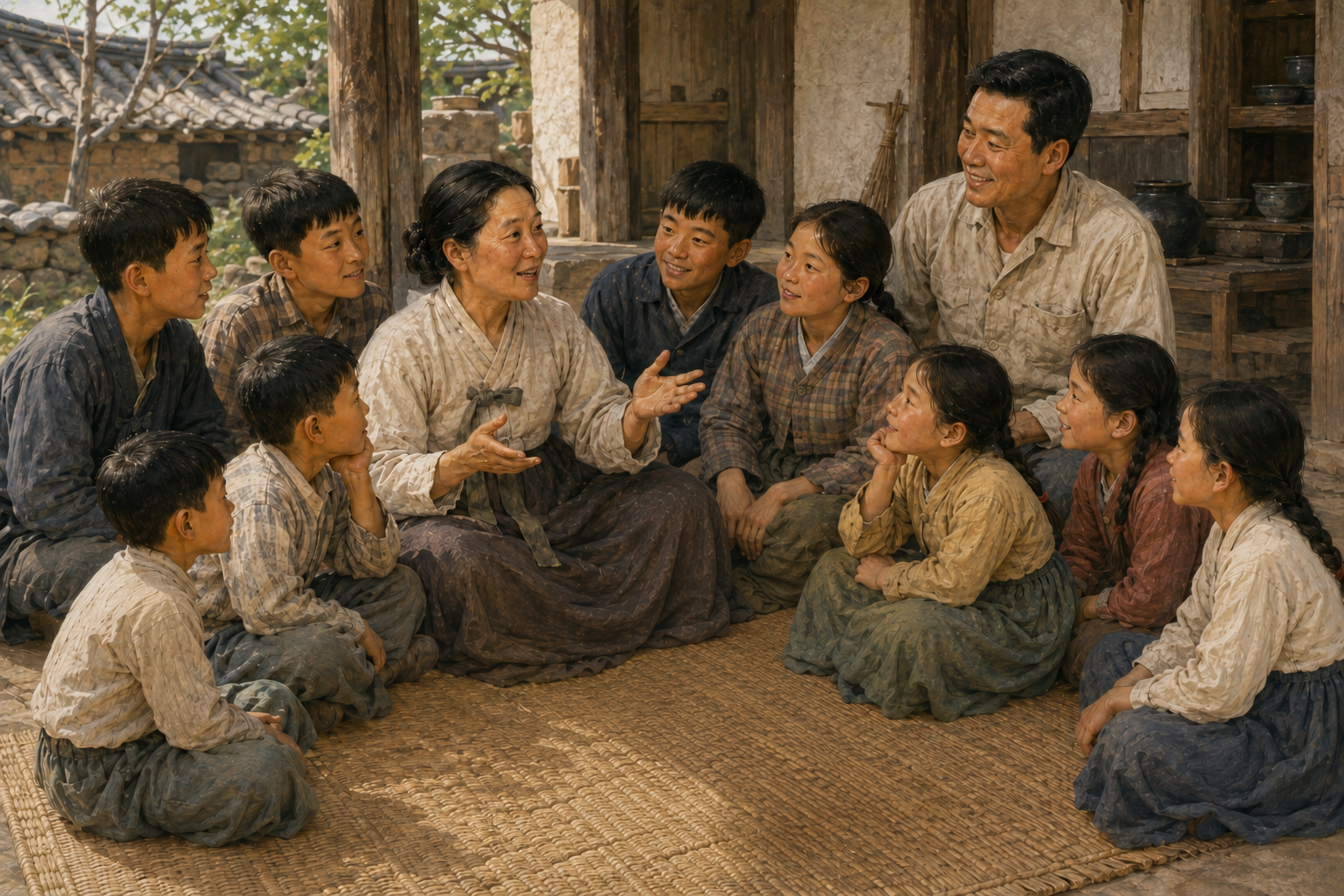
Illustration created for The deFazio Experience at Compass
Why mythical creatures travel so well.
Perhaps that is why I understand the enduring attraction of The Odyssey. Its mythical creatures were never only monsters. They gave visible form to familiar human problems.
The Sirens represented temptations that could pull someone off course. The Cyclops embodied danger and brute force. Storms and angry gods represented circumstances no individual could control. Odysseus traveled through a mythical world, but what he wanted was completely human.
He wanted to get home.
A different journey involving mythical creatures is unfolding at Pasadena’s USC Pacific Asia Museum.
Mythical Creatures: The Stories We Carry uses dragons, cranes, guardian spirits, shapeshifters, and figures from Asian traditions to explore immigration, memory, and belonging. Korean American artist Dave Young Kim conceived the exhibition, which fills all 12 museum galleries with approximately 100 historical objects, works by 24 contemporary artists, and immersive settings.
Visitors encounter a shadowy crossing populated by demons, an immigrant’s first apartment, an airplane cabin, and a gilded room featuring a Jin Chan—the three-legged “money frog” associated with prosperity.
But these mythical creatures are not there simply to make the exhibition more colorful. They serve as analogies for what people experience when they leave one world and enter another.
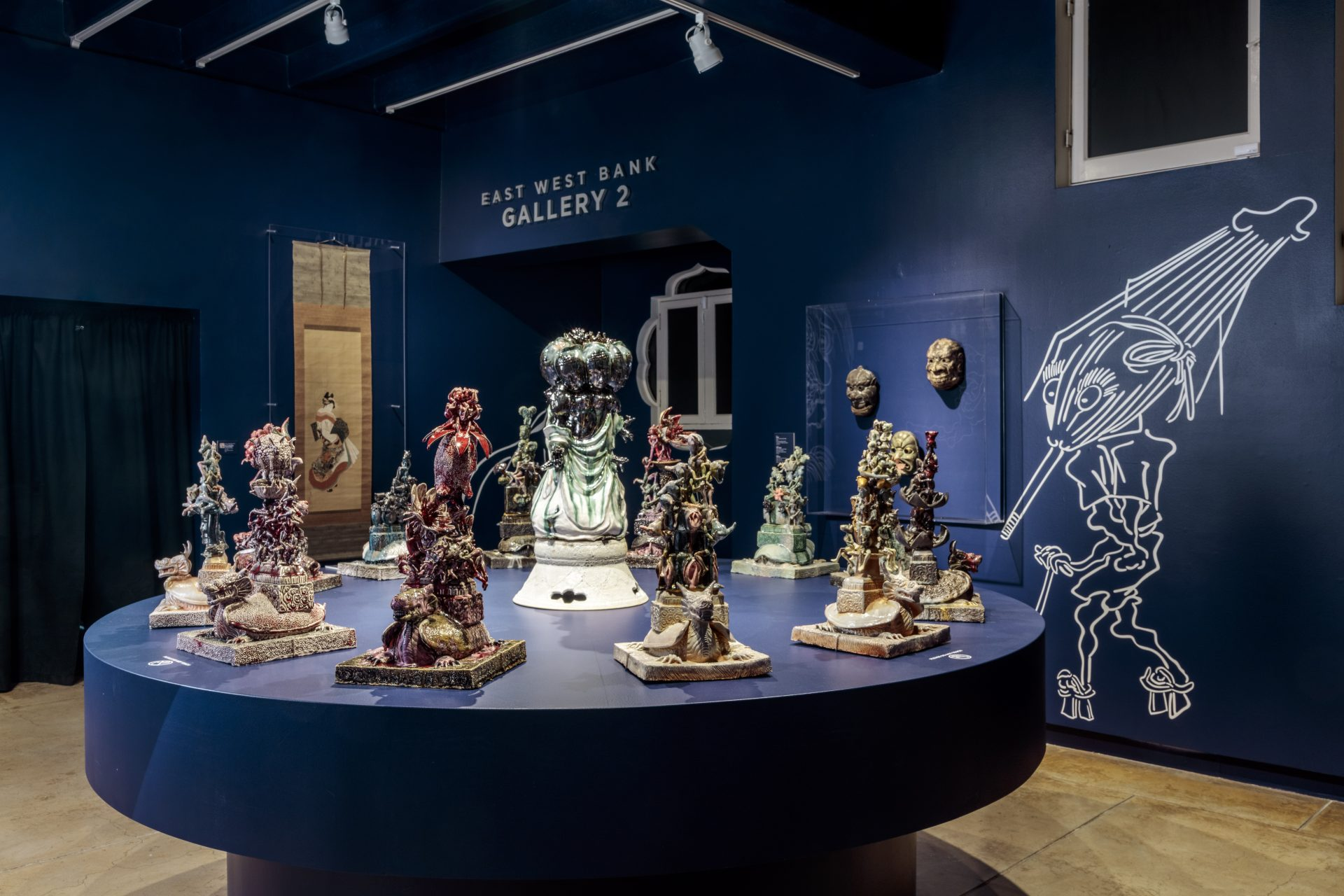
Photo: Joshua White/JW Pictures, courtesy of USC Pacific Asia Museum
Making invisible ideas visible.
A guardian spirit embodies the protection we want around our family. A shapeshifter suggests adapting to a different culture without losing oneself. A phoenix expresses survival and renewal. A dragon represents power, good fortune, danger, or something much larger than any individual.
These mythical creatures make invisible ideas visible.
That was also the power of my mother’s stories. A parable could take something complicated — pride, fairness, or responsibility—and turn it into something her children would remember. She placed the lesson inside a story sturdy enough to survive childhood, immigration, and time.
People who move from one country to another do not arrive empty-handed. I brought language, recipes, celebrations, beliefs, family expectations, and stories. Some are deliberately preserved. Others are carried so naturally that we may not realize how deeply they shape us.
A small figurine may recall a childhood home. A particular meal may keep a parent or grandparent present. A familiar saying may emerge just when advice is needed.
These are some of the ways an unfamiliar place gradually becomes home.
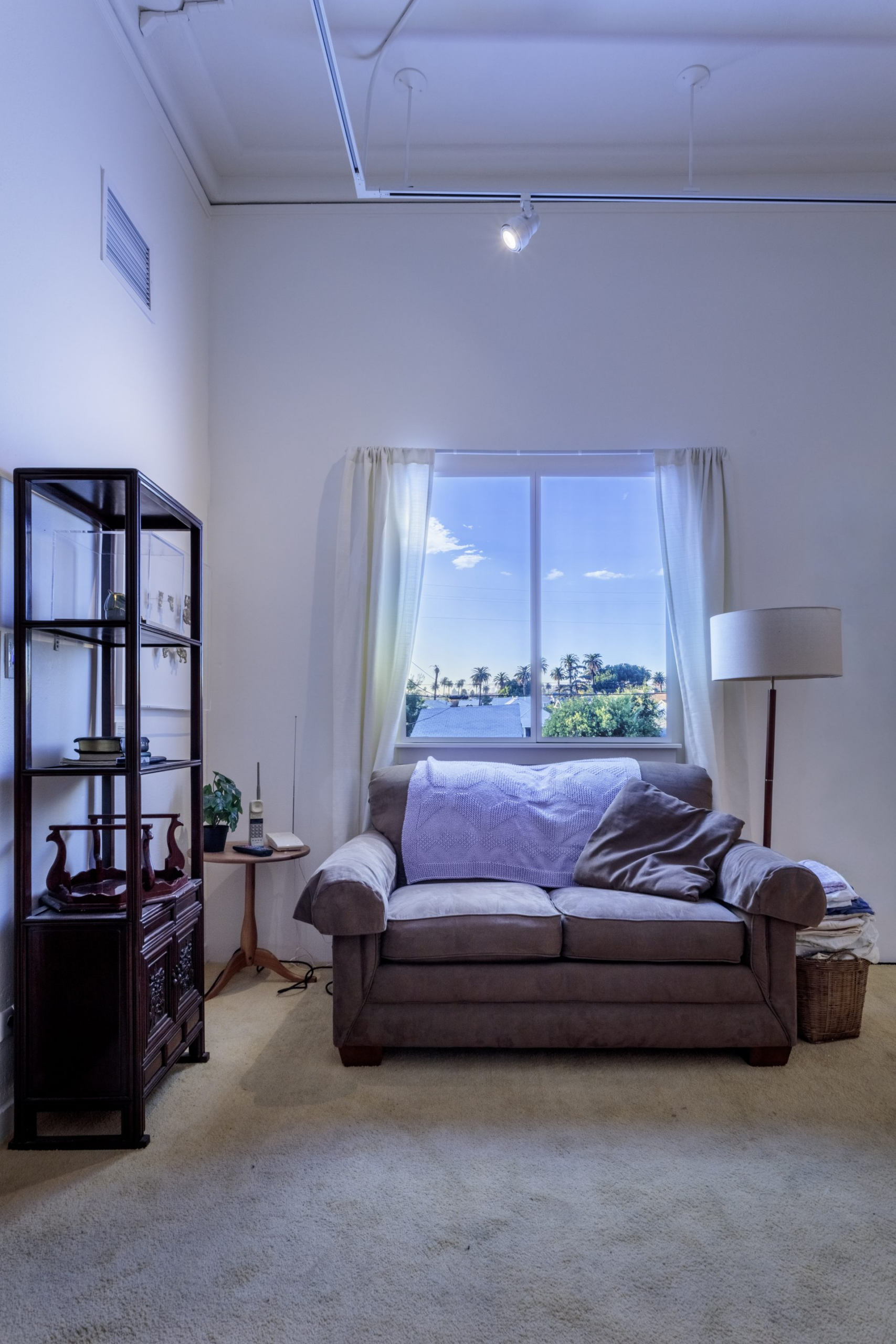
Photo: Joshua White/JW Pictures, courtesy of USC Pacific Asia Museum.
Every move carries another story.
After many years of helping people buy and sell homes, I have learned that a move is rarely explained completely by the number of bedrooms or the size of the yard.
People may say they want fewer stairs, more space, or a home closer to their children. Those practical needs are real. Underneath them may be a desire for security, independence, renewal, connection, or a different future.
A house can be photographed and measured. The deeper reason someone chooses it can be harder to express. Sometimes, like mythical creatures or one of my mother’s parables, it requires another kind of story.
The Odyssey follows a man struggling to return to the home he remembers. Mythical Creatures explores what people carry as they create a home somewhere new.
I came to Pasadena from Korea carrying no monsters or magical animals that I know of. But I did bring my mother’s stories, and they still help me understand the life around me.
Perhaps that is why mythical creatures—and family parables—continue to travel with us. The world changes, but the human experiences inside those stories do not.
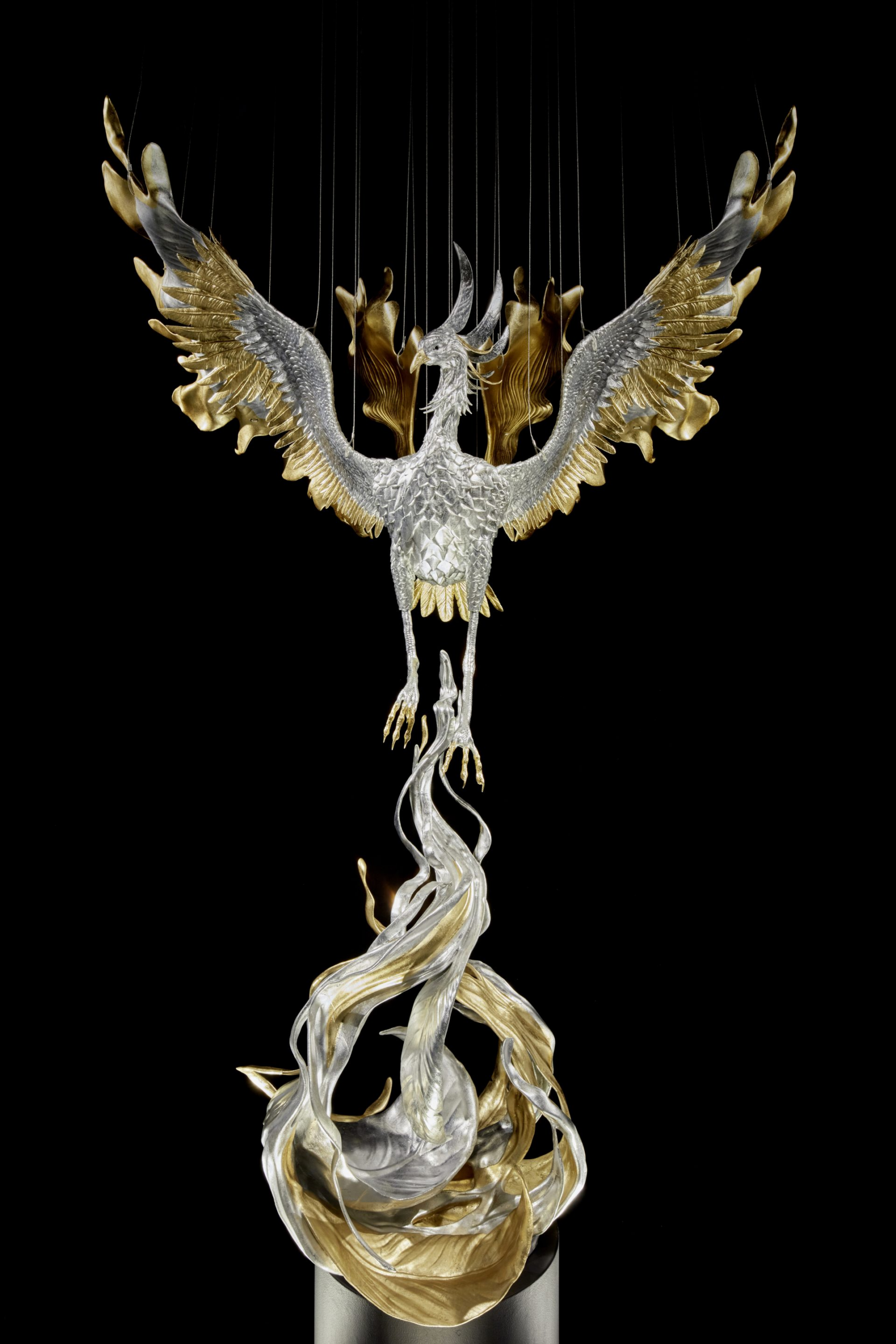
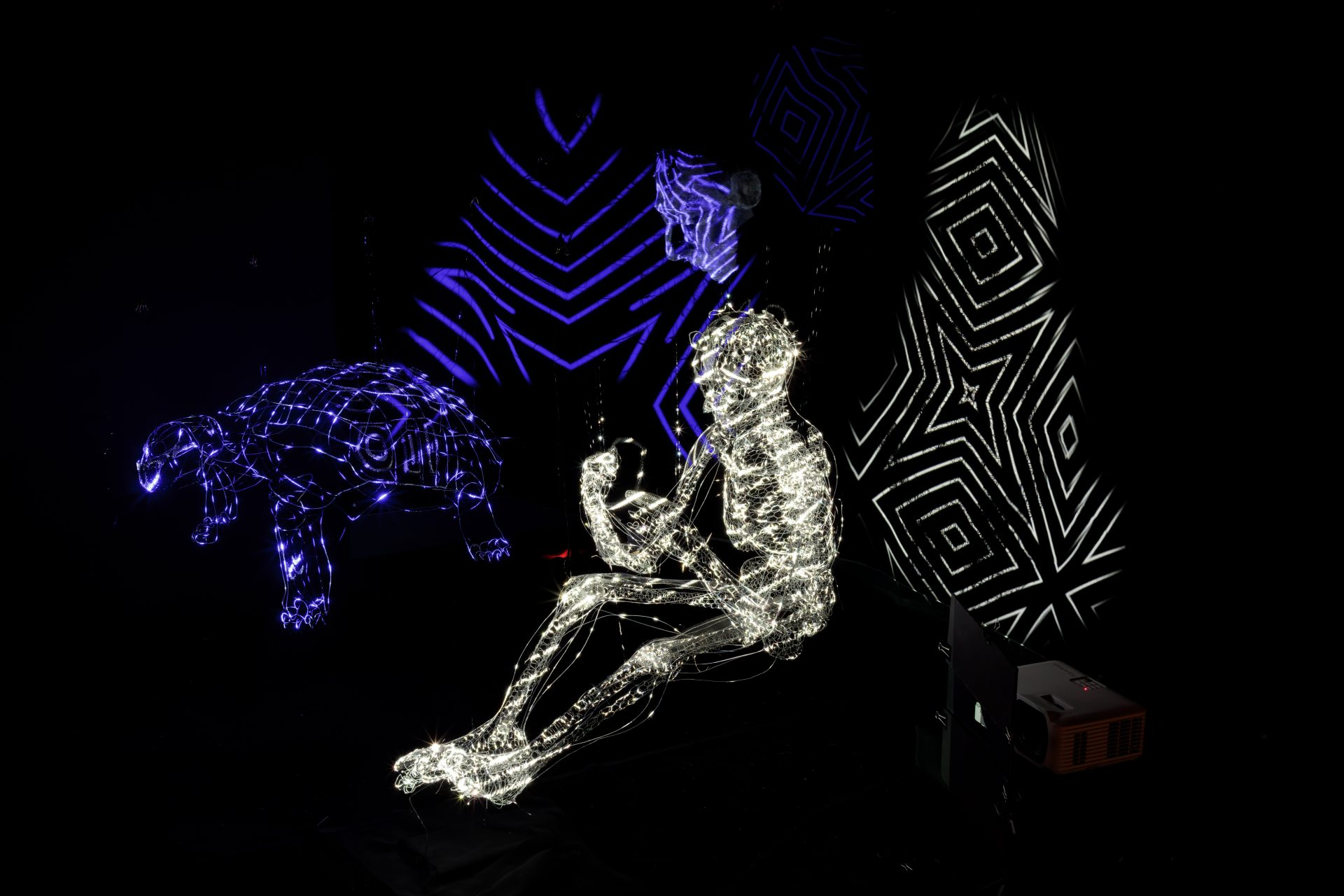
Artwork credit: Designed by Tianmei “Amy” Wang and fabricated by Johannes Lu
Mythical Creatures: The Stories We Carry continues at the USC Pacific Asia Museum, 46 N. Los Robles Avenue in Pasadena, through September 6.
You can find more stories about the people, places, and ideas shaping our communities in Greater Pasadena Insights.