
Long-Held Home: Some houses announce themselves quietly.
They are not always the largest homes on the block. They may not have the newest kitchen, the most dramatic entry, or the kind of polished finish that makes people reach for their phones. But they have something else: the slow accumulation of ordinary life.
A front porch where neighbors once paused on warm evenings. A dining room that somehow stretched for every holiday. A bedroom that changed from nursery to study to guest room. A garden planted by someone who probably never imagined how tall the camellias would become.
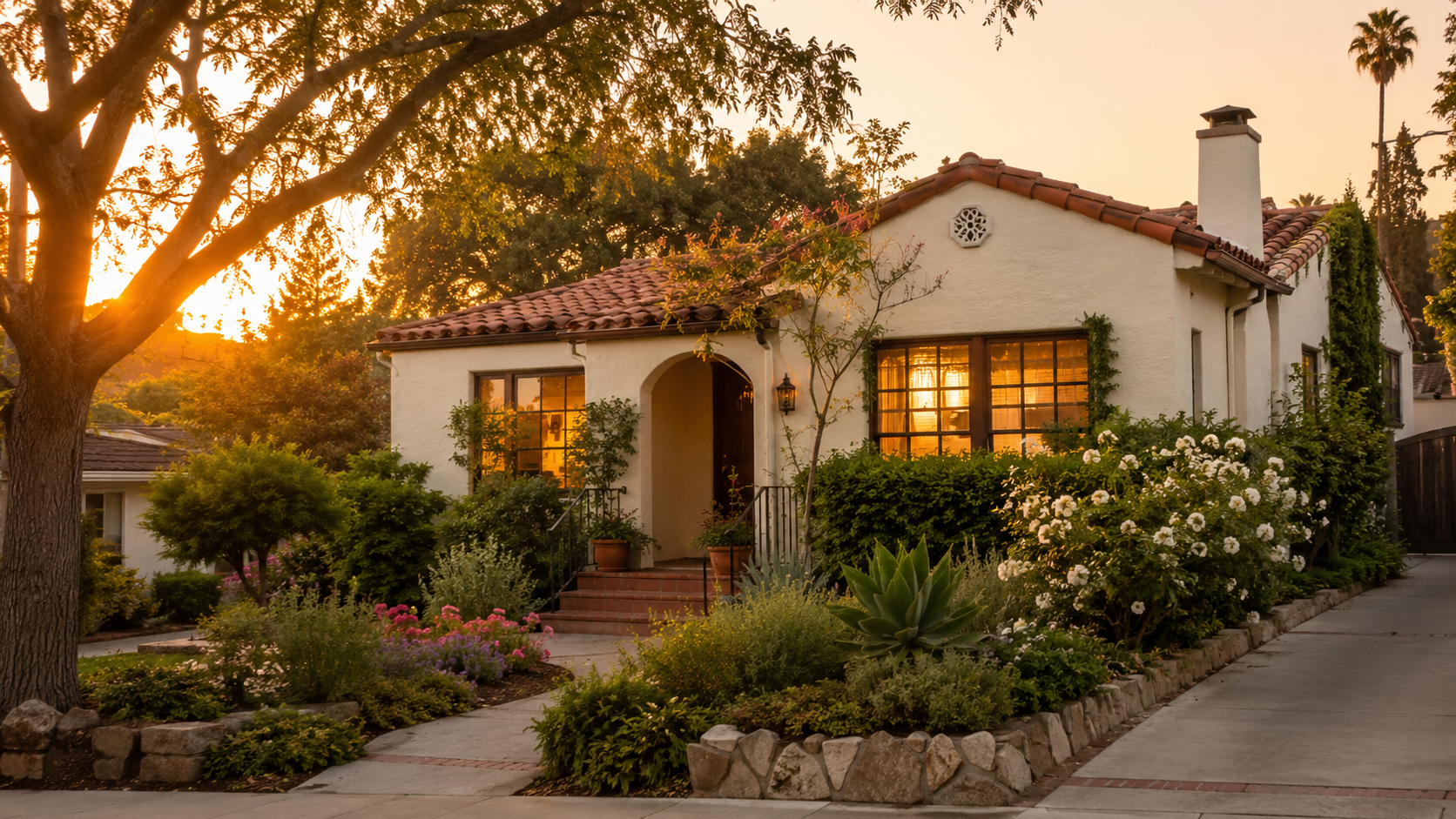
In Greater Pasadena, these homes are everywhere once you know how to look for them. They sit under mature trees in Pasadena, South Pasadena, Altadena, San Marino, Sierra Madre, and La Cañada Flintridge. Some are Craftsman homes with deep porches and built ins. Some are Spanish homes with arched doorways and tiled steps. Some are modest postwar houses that never tried to impress anyone and still became the center of a family’s world.
A long-held home is different from a house that has simply been owned for many years. It has absorbed a family’s rhythm. It has seen people arrive, leave, return, argue, celebrate, recover, and begin again. It is part shelter, part archive, part witness.
That is why the decision to sell one can feel so much larger than the question of price.
The Rooms Remember Their Jobs.
In a newer home, rooms often start with labels: living room, family room, bedroom, office. In a long-held home, rooms develop personalities.
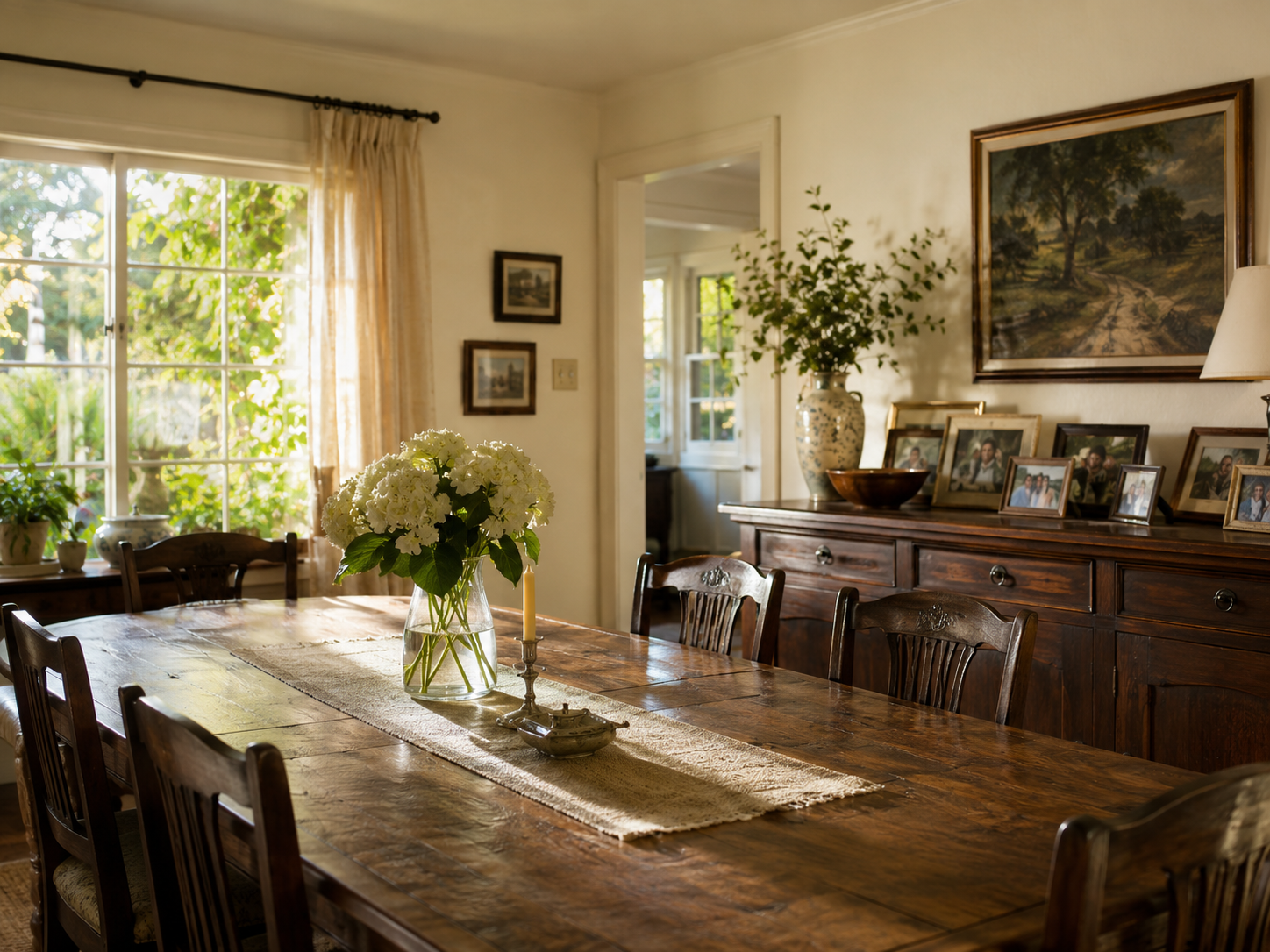
The dining room may be where children were told to use cloth napkins, then where grandchildren later sat with paper plates and birthday cake. The kitchen may have one drawer everyone still calls “the junk drawer,” even though everyone knows exactly what lives inside it. The hallway may hold the wall where heights were marked in pencil, or where framed photographs slowly outnumbered the available space.
These details are not always valuable in the market sense. A buyer will not pay more because the afternoon light hit the breakfast table beautifully every October. But those details matter deeply to the people who lived there.
That is one reason preparing a long-held home for sale requires more care than simply decluttering and taking photographs. Families are often sorting through decades of visible and invisible attachments. The practical work is real, but so is the emotional work.
Neighborhoods Become Part of the Story.
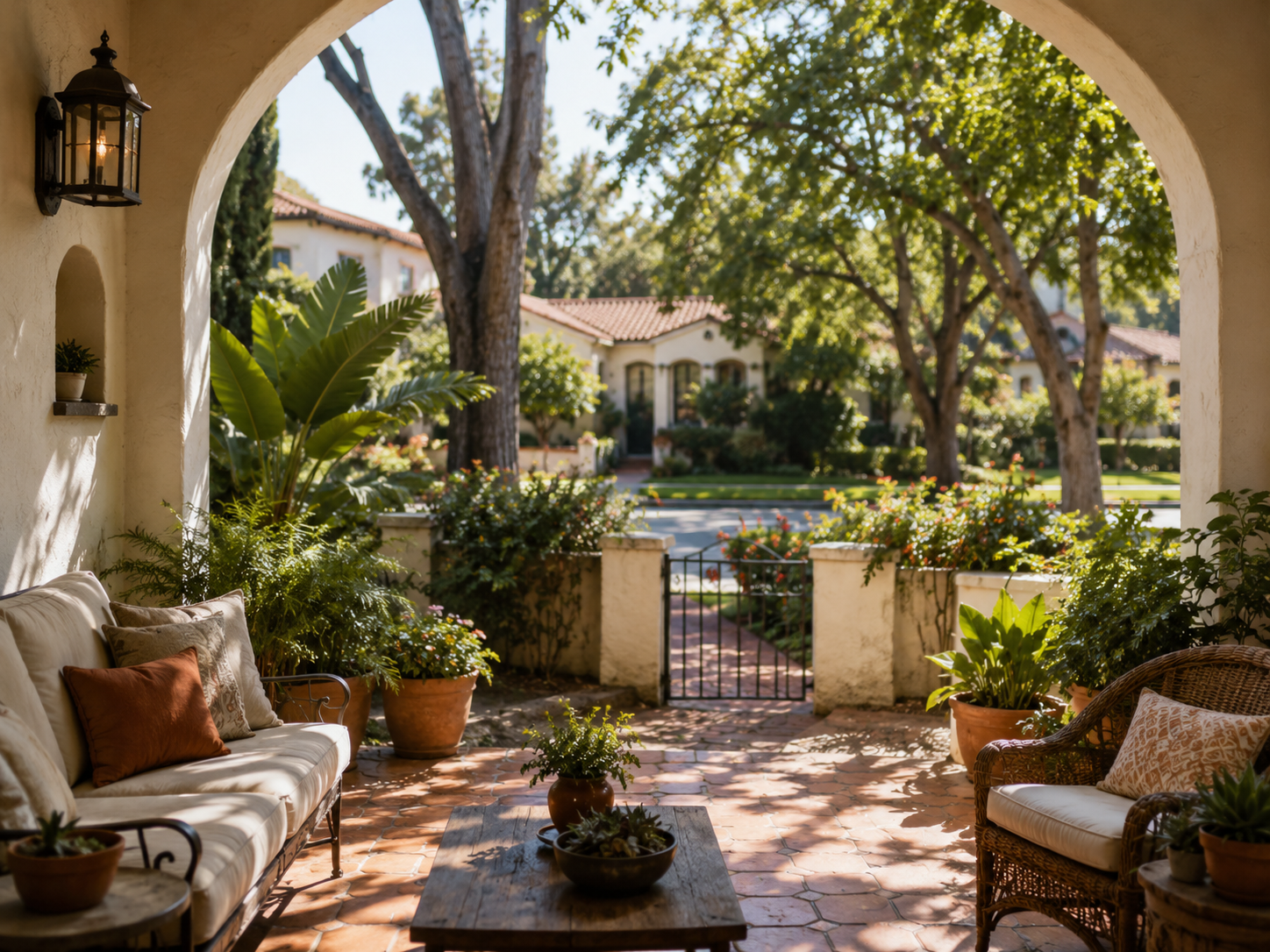
A house also changes because the neighborhood changes around it.
In Greater Pasadena, neighborhood identity can be unusually strong. Pasadena’s historic preservation program notes that the City Council has officially designated more than 200 individual historic sites and 26 historic neighborhoods, and many additional Pasadena properties and districts are listed in the National Register of Historic Places.
That continuity matters. A home is not only four walls. It is the walk to the coffee shop, the familiar jacaranda bloom, the neighbor who knows when the trash bins go out, the shortcut to school, the annual block conversation that somehow lasts twenty minutes longer than expected.
Pasadena’s historic preservation program describes its purpose as promoting the identification, evaluation, rehabilitation, adaptive use, and restoration of historic structures.
But for families, preservation can feel even more personal. It is not just about saving a building. It is about recognizing that places help people remember who they were.
The National Trust for Historic Preservation has written about the role old places play in memory, identity, and continuity. That idea explains why certain homes feel emotionally powerful even when they are not grand or famous.
The Market Sees a Property. The Family Sees a Life.
When a long-held home finally comes to market, two truths often exist at the same time.
The market sees location, condition, lot size, architecture, systems, floor plan, upgrades, deferred maintenance, and comparable sales. Those things matter. They help determine pricing, positioning, buyer demand, and likely negotiation strategy.
The family sees something else.
They see the first day they walked in. They see who used to sit in that chair. They see the garden before the trees were mature. They see the holiday when everyone came, the year no one could come, and the rooms that somehow held both joy and grief without complaint.
Neither view is wrong. The challenge is that both views have to be respected.
A long-held home should not be priced by sentiment. Buyers will not inherit the family’s memories. But it also should not be handled as though those memories are irrelevant. The story of the home can shape how it is prepared, photographed, described, and introduced to the market.
That does not mean turning a listing into a scrapbook. It means understanding what gives the property its soul, then presenting that soul clearly enough for the next owner to recognize its possibility.
Stewardship Is Different From Ownership.
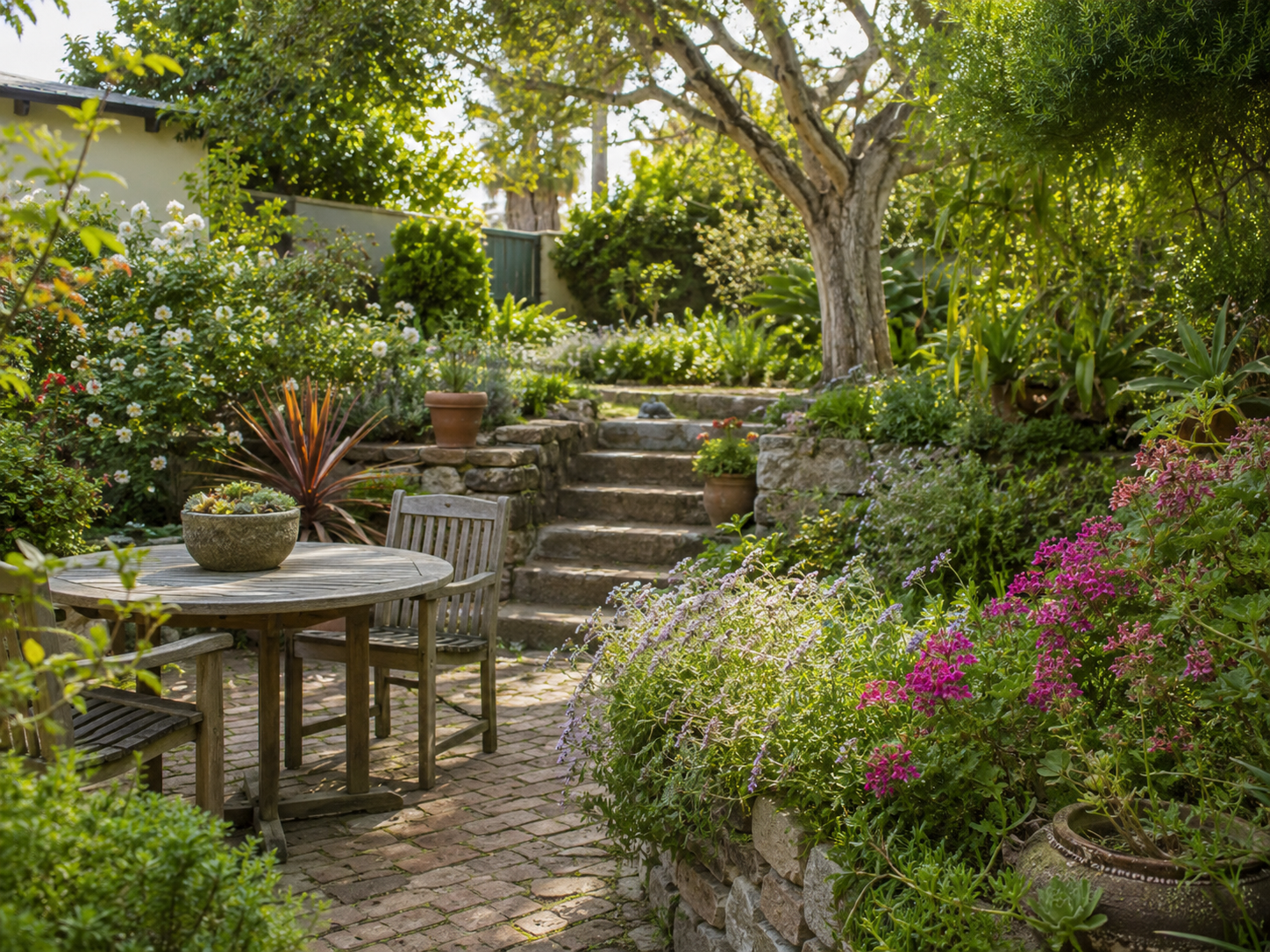
Some homes pass through owners quickly. Others seem to ask for stewardship.
That word may sound formal, but it fits. A steward understands that a house existed before them and will continue after them. They may update it, improve it, repair it, and make it their own, but they also feel some obligation to leave it with dignity.
This is especially true in older Greater Pasadena neighborhoods, where character homes often carry architectural details that are difficult to recreate: original woodwork, deep porches, old windows, tiled fireplaces, mature gardens, and a relationship to the street that newer construction sometimes misses.
South Pasadena’s historic homes design guidelines note that Craftsman homes in the city range from one-story bungalows to larger two-story residences, with varying levels of detail.
That is part of what buyers respond to, even when they cannot name it. They may say, “It just feels good.” Often, what they are feeling is a mix of proportion, material, light, age, and care.
A long-held home with honest character can invite buyers to imagine not only a purchase, but a continuation.
Letting Go Without Erasing the Story.
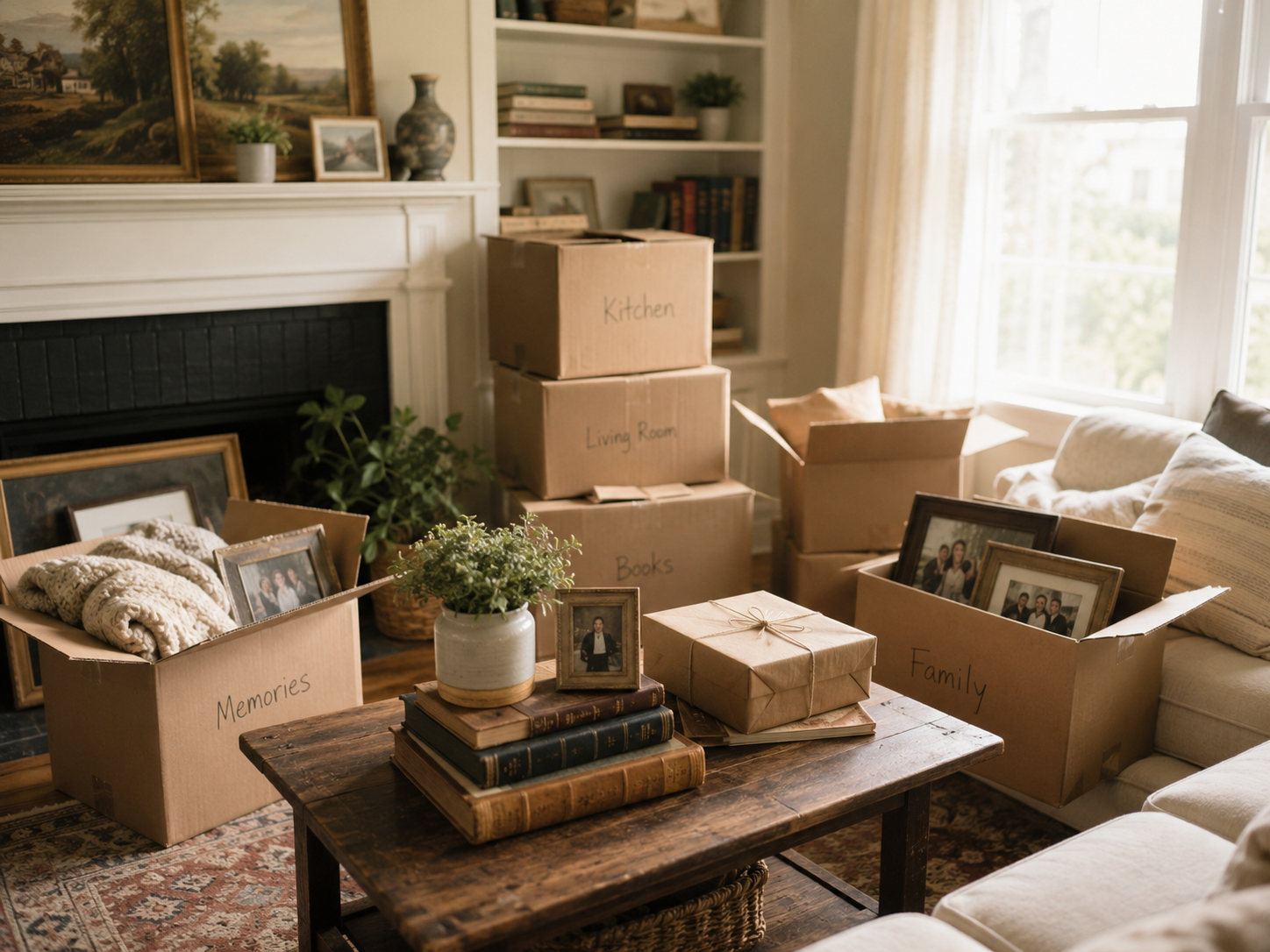
Selling a family home can be practical, necessary, overdue, bittersweet, or all of those things at once.
Sometimes the house has become too large. Sometimes stairs are no longer friendly. Sometimes adult children live elsewhere. Sometimes the next chapter simply requires a different kind of home. None of that diminishes what the house has meant.
The better question is not, “How do we move on without feeling anything?”
The better question is, “How do we move on in a way that honors what this place has been?”
That may mean taking time before the formal preparation begins. It may mean photographing rooms before they are emptied. It may mean deciding which fixtures, plants, furniture pieces, or keepsakes truly belong with the family. It may mean having a clear plan before the house is exposed to the market, so the process does not feel like a stampede through memory.
A long-held home deserves that kind of care.
Not because every house is historic. Not because every buyer will understand every layer of the story. But because homes are where life happens before real estate ever enters the room.
And when the time comes to sell, the best strategy should recognize both sides: the value of the property and the meaning of the place.
Before the First Decision, Have the Right Conversation.
Selling a long-held home takes more than a pricing conversation. It takes judgment, timing, preparation, and a steady hand.
Before you begin sorting, repairing, staging, pricing, or wondering whether the timing is right, call or text Hem-young deFazio at 626-825-5599. She can help you think through the strategy with care, protect the home’s value, and make sure the process respects the story attached to it.
A family home deserves more than a rushed plan. It deserves a thoughtful one.