

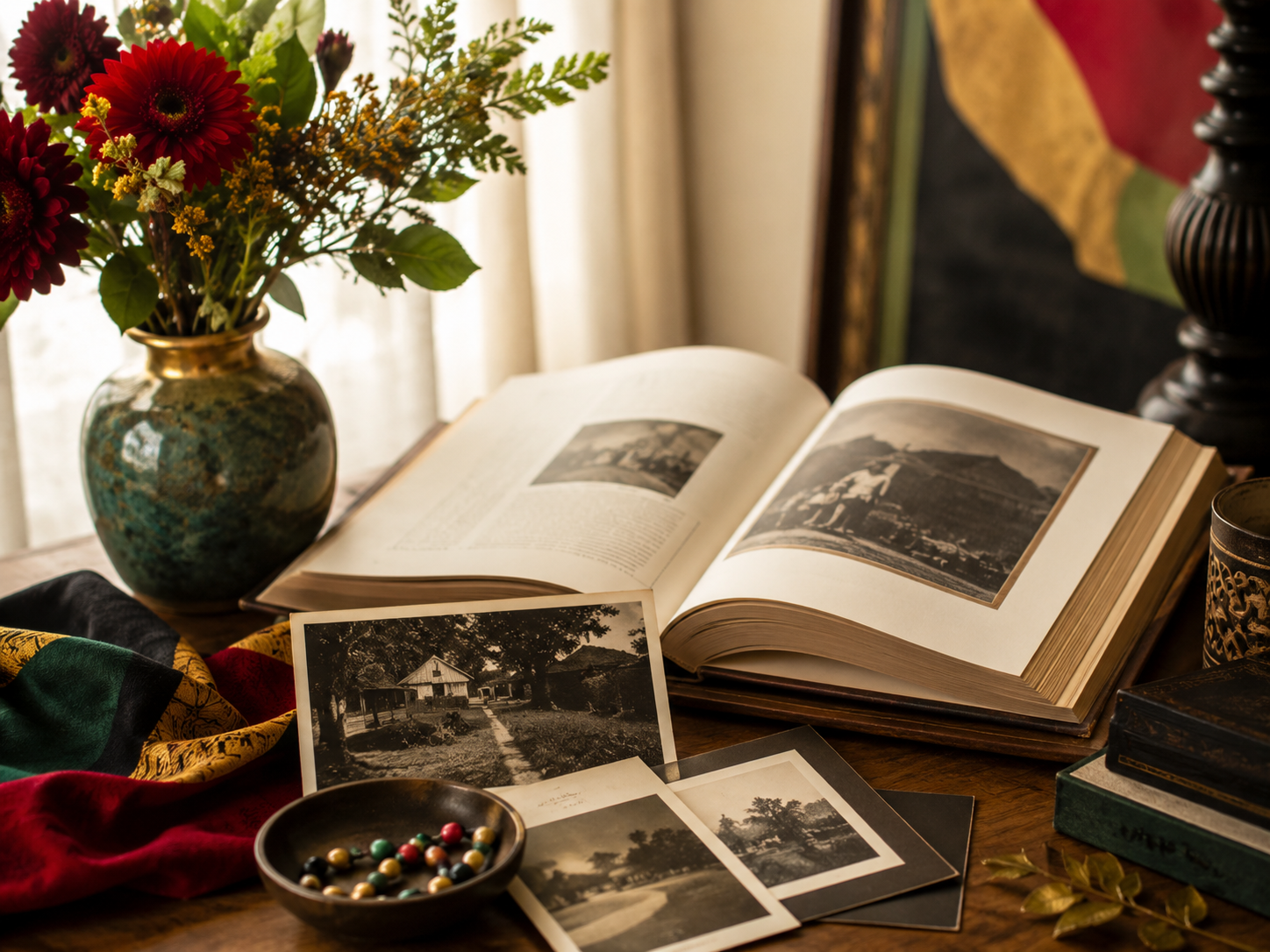
Juneteenth in Greater Pasadena is more than a holiday note.
It is a moment to pause, look closer, and remember that freedom has not always arrived for everyone at the same time.
According to the Smithsonian National Museum of African American History and Culture, Juneteenth marks June 19, 1865, when Union troops announced freedom to enslaved African Americans in Galveston, Texas, more than two years after the Emancipation Proclamation. The Library of Congress also notes that the day commemorates General Gordon Granger’s arrival in Galveston and the delivery of General Order No. 3.
Freedom had been declared. But for many, it had not yet been delivered. That difference is what gives the day its lasting power.
So what does Juneteenth in Greater Pasadena ask us to notice? Not only a national history, but the local ways history lives on: in archives, photographs, public art, music, churches, family stories, neighborhoods, and the institutions that help communities remember more fully.
1. Freedom Was Not Experienced All at Once
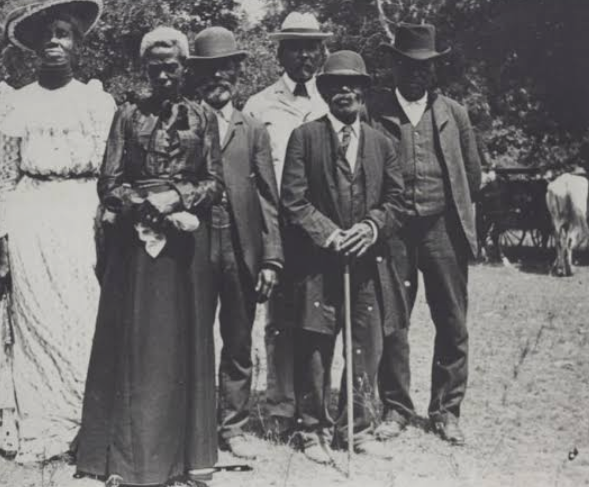
One of the most important lessons of Juneteenth is that history does not move evenly.
A law may change before a life changes. A proclamation may be signed before the news reaches the people most affected by it. A promise may exist on paper before it becomes real in daily life.
That is a sobering idea, but also a clarifying one.
It asks us to think about the distance between official history and lived experience. Who knew? Who did not? Who had power over the timing? Who had to wait for freedom that had already been declared?
Juneteenth in Greater Pasadena gives us a reason to carry those questions into our own community, not as blame, but as awareness. Every place has layers. Some are easy to see. Others require curiosity.
2. Culture Preserves What Dates Alone Cannot
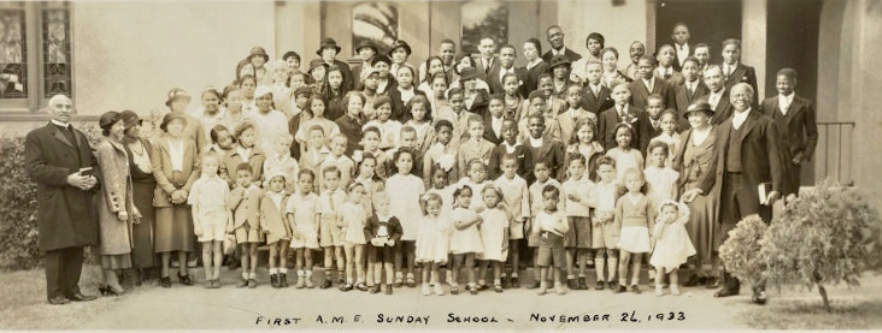
Dates tell us when something happened. Culture helps us understand what it meant.
That is why Juneteenth belongs naturally in a Living Well conversation about arts and culture. Music, food, poetry, photographs, family records, oral histories, church programs, school archives, paintings, public art, and local collections all help carry memory forward.
A document can tell us a fact. A photograph can make that fact human. A song can hold grief and joy at the same time. A family story can keep a name from disappearing.
The Pasadena Museum of History Black History Collection is one local example of that work. Its materials include photographs, letters, family records, property deeds, and other pieces of community history. These are not simply old papers. They are traces of lives, homes, work, ambition, faith, and belonging.
That is one reason cultural preservation matters. It gives people a way to be seen beyond a headline or a date.
3. Public Memory Changes How We See a Place
Some stories are kept in archives. Others stand in public view.
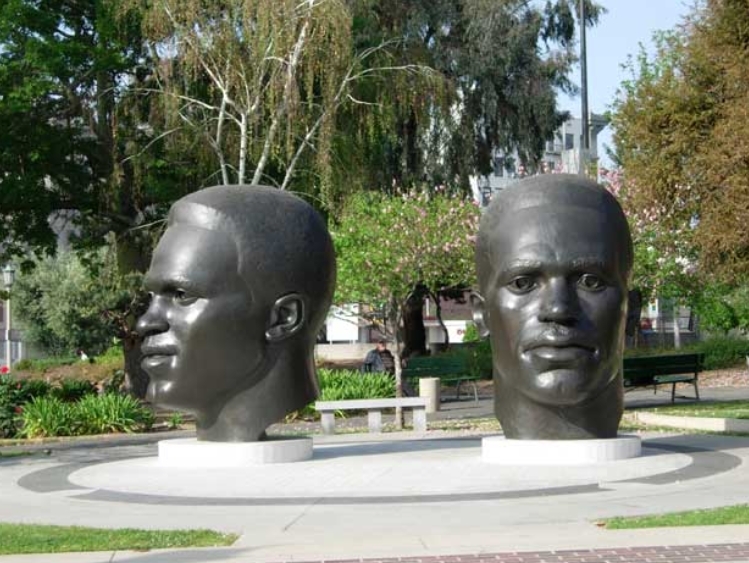
The Pasadena Robinson Memorial, across from City Hall, honors Jackie Robinson and Mack Robinson with monumental bronze portraits. It is a familiar local landmark, but Juneteenth invites a slower look.
Jackie Robinson’s place in American history is widely known. Mack Robinson’s Olympic achievement is also part of Pasadena’s story. But the memorial is not only about sports. It is about barriers, courage, excellence, and the way individual lives can change public memory.
That matters because what a city chooses to put in view shapes how people understand where they are.
A statue, mural, archive, historic marker, museum collection, or named building can quietly say, “This story belongs here too.”
Juneteenth in Greater Pasadena is a good day to look at those markers with fresh attention.
4. Living Well Includes Remembering Well
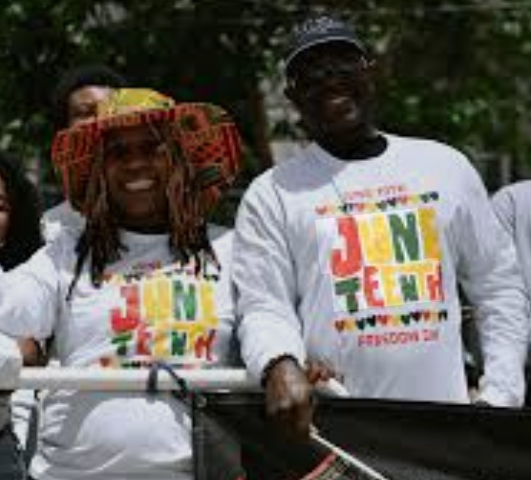
Living well in Greater Pasadena often evokes beautiful homes, shaded streets, gardens, restaurants, architecture, museums, music, and neighborhood life.
All those matter.
But living well also includes knowing the place more deeply. A community is richer when it remembers more honestly and more generously. That does not make the place less beautiful. It makes the beauty more complete.
Juneteenth reminds us that culture is not decoration. It is one of the ways people preserve truth, dignity, joy, struggle, and identity.
For Greater Pasadena, that means appreciating not only the visible landmarks, but also the people and communities whose stories helped shape the region: Black residents, artists, athletes, educators, business owners, faith leaders, families, and neighbors.
Readers who want to keep exploring local stories, real estate notes, and neighborhood reflections can visit AroundTownPasadena.com, where we continue to look at the places, people, and details that shape life in Greater Pasadena.
The more we notice, the more meaningful the place becomes.
5. The Invitation Is Simple
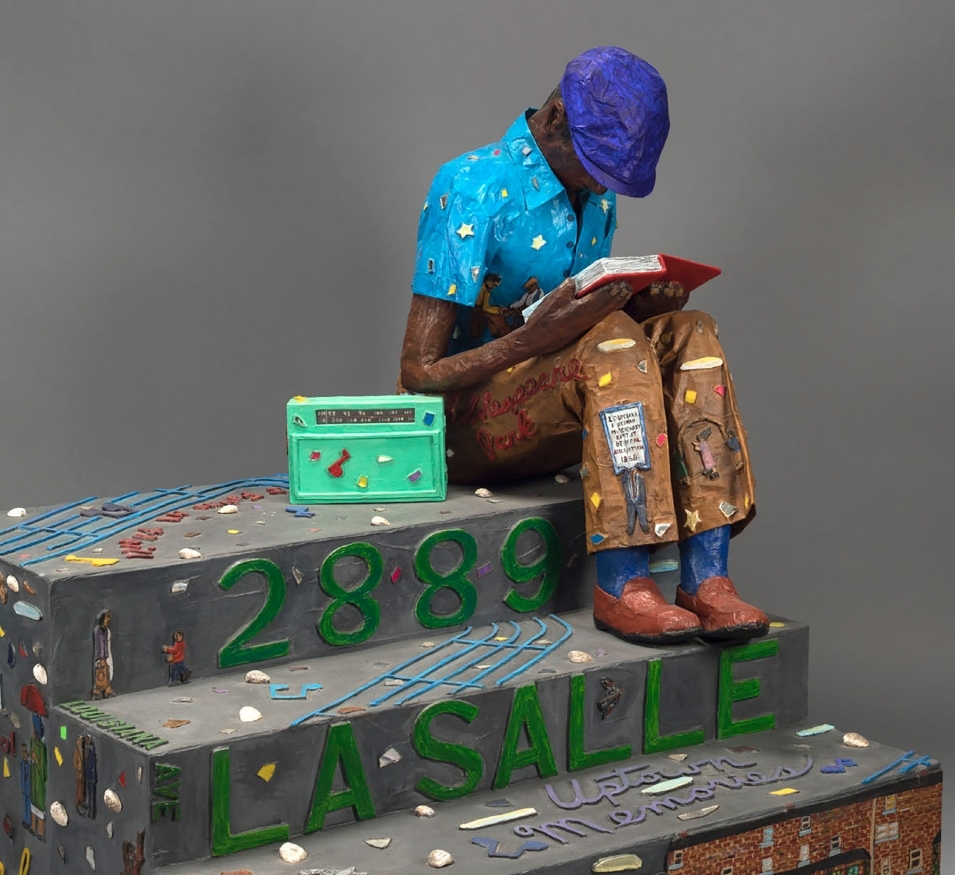
Juneteenth does not require everyone to observe the day in the same way.
Some may attend a cultural event. Some may visit a museum. Some may read a local history piece. Some may listen to music, support a Black-owned business, talk with family, visit the California African American Museum, or simply pause for a few minutes and ask a better question.
What have I passed by without really seeing? That may be the most useful beginning.
Juneteenth in Greater Pasadena asks us to look at a familiar place with more care. To notice what has been preserved. To wonder what has been overlooked. To understand freedom, memory, and culture is not an abstraction. They live in people, neighborhoods, records, art, and the stories a community chooses to keep.
And that is part of living well, too.

Thinking about buying or selling in Greater Pasadena? Call or text Hem-young deFazio at The deFazio Experience at Compass.
A good conversation is often the best first step, especially when you care not only about the house but about the life and community around it.
You can also find homes in Greater Pasadena when you are ready to explore what living here might look like next.