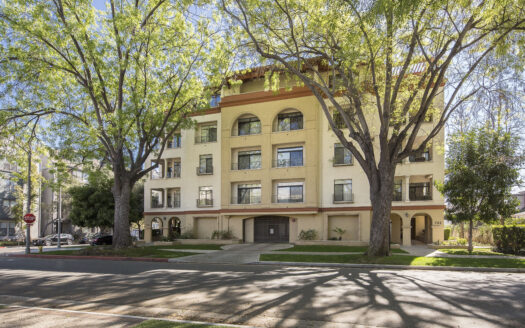

GREATER PASADENA REAL ESTATE MARKET – JANUARY 14, 2026
Market Activity: The Past 7 Days (with Week-Over-Week Comparison).
Early January activity across the geater pasadena real estate market january 14 shows a market that is actively recalibrating after the holidays. The GREATER PASADENA REAL ESTATE MARKET – JANUARY 14 experienced significant changes this week. Based on the most recent Compass hotsheet, the following updates occurred over the past seven days:

- New Listings: 24
- Active Listings: 28
- Back on Market: 1
- Price Increases: 1
- Price Reductions: 9
- Accepting Backup Offers: 7
- Pending: 7
- Hold: 4
- Withdrawn / Cancelled: 7
- Expired: 7
- Sold: 26
This represents 87 total listing updates across Greater Pasadena this past week.
Week-Over-Week Comparison.
Compared with the prior week (ending January 7):

- New listings increased sharply (9 → 24), as sellers who paused for the holidays returned to market.
- Closed sales rose (21 → 26), reflecting late-2025 contracts now closing.
- Pending sales held steady (7 → 7), showing consistent buyer engagement.
- Backup-offer activity remained stable (8 → 7), signaling continued competition for well-priced homes.
- Price reductions increased, highlighting active price discovery.
- Withdrawn, cancelled, and expired listings rose modestly, suggesting reassessment rather than distress.
Overall, this is a classic early-January reset: more inventory, steady demand, and pricing discipline separating movers from lingerers.
What These Numbers Suggest.

The greater pasadena real estate market january 14 is not slowing — it is sorting.
Inventory is rebuilding, but not flooding the market. Buyers remain active but selective. Homes aligned with current pricing realities are moving, while others are being adjusted, paused, or repositioned. This pattern is typical for January and often sets the tone for the first quarter.
How This Is Playing Out Across Greater Pasadena.

Conditions continue to vary meaningfully across the greater pasadena real estate market january 14:
- Pasadena remains the activity anchor, with steady turnover across a broad range of price points.
- South Pasadena continues to reward realistic pricing, particularly for well-presented homes.
- Altadena stands out for its abundance of vacant land listings, drawing interest from builders, custom-home buyers, and small-scale investors focused on individual projects rather than portfolios.
- Sierra Madre remains boutique and selective, with limited inventory and patient buyers.
- La Cañada Flintridge continues to be supply-constrained, with demand focused on turnkey opportunities.
National Headlines vs. Local Reality.

Recent national headlines have focused on proposals to limit institutional investors from buying single-family homes. While such policies may affect certain Sun Belt markets, they are unlikely to materially impact the greater pasadena real estate market january 14.
Institutional ownership locally remains minimal. Pricing and demand in Greater Pasadena are driven by long-term supply constraints, limited new construction, school quality, and lifestyle appeal — not large-scale investor activity. For local buyers and sellers, inventory levels, mortgage rates, and pricing strategy remain far more influential than national political proposals.
Market Context.

In summary, the greater pasadena real estate market january 14 showcases a dynamic shift in listings that reflects both buyer and seller responses to current conditions.
As 2025 came to a close, national economic data pointed to an economy that remains resilient but increasingly cautious — a backdrop that helps explain the selective, price-sensitive behavior we’re seeing locally in Greater Pasadena.
Holiday Spending Held Up, But a Pullback Is Expected.
Holiday spending increased moderately in 2025, with total retail sales rising 4.2% year over year, driven largely by strong e-commerce growth. While consumers continued to spend through year-end, rising credit card balances and greater use of buy-now/pay-later financing suggest a potential pullback in discretionary spending early in 2026. This dynamic may contribute to more deliberate buyer behavior in the housing market as the year unfolds.
Job Growth Ended 2025 on a Soft Note.
December job creation remained positive but subdued, capping the weakest year of hiring since 2020. Payroll gains were modest, prior months were revised downward, and the three-month average showed a net decline in job creation. While unemployment dipped slightly to 4.4% and wage growth exceeded expectations, the labor market continues to cool — a trend that supports cautious optimism rather than aggressive expansion.
Mortgage Rates Briefly Dip After Policy Announcement.
Mortgage markets reacted swiftly after President Trump announced plans to direct Fannie Mae and Freddie Mac to purchase $200 billion in mortgage bonds, with the average 30-year fixed rate briefly falling to around 6%, its lowest level since early 2023. While the long-term impact remains uncertain given the size of the mortgage-backed securities market, even modest rate relief could improve affordability at the margin for buyers struggling with borrowing costs.
Institutional Investor Proposal Sparks Debate.
The administration also proposed banning large institutional investors from purchasing single-family homes. While the intent is to address affordability, institutional investors represent a relatively small share of the housing market nationally and an even smaller presence in Greater Pasadena. Local market conditions continue to be driven far more by limited supply, long-term ownership, and lifestyle demand than by large-scale investor activity.
Consumers Feel Less Financial Stress, But More Job Anxiety.
Recent consumer surveys show Americans feeling somewhat better about their personal finances, even as concerns about job security have increased. This combination — financial confidence paired with labor uncertainty — reinforces the selective, value-driven decision-making currently shaping both buyers’ and sellers’ behavior.
Why This Matters Locally.

Taken together, these national trends help explain why the Greater Pasadena market remains active but disciplined. Buyers are engaged, but focused on value and affordability. Sellers who price thoughtfully and respond to market feedback are being rewarded, while those testing the market are adjusting expectations.
What This Means for Buyers and Sellers.

January is less about volume and more about positioning.
Buyers are engaged, informed, and patient. Sellers who price thoughtfully and respond quickly to market feedback are being rewarded. Homes that miss the mark are being corrected or paused, while those aligned with buyer expectations continue to move.
The greater pasadena real estate market january 14 remains functional, competitive, and opportunity-driven — especially for those using hyper-local data.
Call Hem-young today.

The greater pasadena real estate market january 14 above tell the regional story — but every neighborhood, street, and even block can behave differently.
Hem-young can prepare a personalized mini-Market Snapshot breaking activity down by neighborhood or street, including recent sales, pricing trends, buyer demand, and — in Altadena — vacant land and development opportunities specific to your area.