

Understanding the Home Selling Process: A Complete Guide for Sellers
Complete Guide for Sellers

Are you thinking about selling your home? The journey from accepting an offer to handing over the keys involves many important steps. Here’s a comprehensive guide to understanding the closing process and ensuring a smooth transaction—all with the expert support of Hem-young, your trusted real estate agent.
1. Escrow Process Begins: Setting the Foundation for a Smooth Sale
-
What is Escrow?
After you’ve accepted an offer, the home sale enters the escrow phase. This is where a neutral third party holds the buyer’s funds and important documents, ensuring that all conditions of the sale are met before closing.
• Hem-young’s Role: Hem-young will coordinate with the escrow officer to make sure the process starts smoothly. She reviews the escrow instructions with you to confirm all terms align with your expectations, ensuring a stress-free experience right from the start.
2. Home Inspection: Identifying Issues Before They Become Problems
• What Happens During a Home Inspection?
A home inspection is a critical part of the closing process. The buyer’s inspector checks for structural issues, plumbing and electrical systems, roof conditions, and more. If any issues are found, buyers may request repairs or negotiate the sale price.
• Hem-young’s Role: Hem-young advises you on preparing your home for the inspection, helping to identify and address minor repairs that could become negotiation points. Her goal is to minimize surprises during the inspection, keeping the sale on track.
3. Appraisal: Confirming the Value of Your Property
• Why Is an Appraisal Necessary?
If the buyer is using a mortgage, their lender will require an appraisal to verify that the home’s value matches the agreed purchase price. The appraiser will evaluate comparable home sales in your area and the condition of your property.
• Hem-young’s Role: Hem-young provides the appraiser with information about recent upgrades or key features of your home that could enhance its value. Her expertise ensures that the appraisal reflects the true worth of your property, avoiding potential delays or renegotiations.
4. Final Walk-Through: Ensuring a Smooth Transition
• What is the Final Walk-Through?
A few days before closing, the buyer conducts a final walk-through to ensure the property is in the same condition as when they made the offer. It’s also an opportunity to confirm that any negotiated repairs have been completed.
• Hem-young’s Role: Hem-young coordinates with you and the buyer’s agent to schedule the walk-through. She helps ensure that all repairs are completed properly, so the final walk-through goes smoothly and without last-minute issues.
5. Closing Day: Completing the Home Sale
• What Happens on Closing Day?
On this day, you sign the final documents, the buyer’s funds are released, and the title is transferred. The escrow company records the sale with the county, officially completing the transaction.
• Hem-young’s Role: Hem-young guides you through each document that requires your signature, explaining what you’re signing and ensuring that all paperwork is in order. With her attention to detail, you can be confident that the process will close smoothly.
Legal Disclosures: What You Must Tell Buyers About Your Home
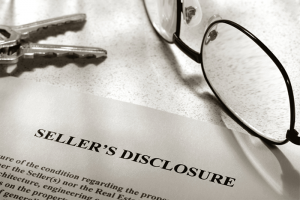
When selling your home, transparency is key. It’s important to disclose not just what you know but also what you should have known about the property. Here’s a breakdown of the essential disclosures—and how Hem-young supports you through this crucial part of the selling process.
1. Property Defects: Being Transparent About Your Home’s Condition
-
What to Disclose.
Sellers must disclose any known defects that could impact the property’s value, such as foundation cracks, mold, or faulty wiring. It’s also required to disclose issues you should have known about, even if they were not immediately visible.
-
Hem-young’s Role: Hem-young assists you in completing the disclosure forms, ensuring you understand what needs to be shared. Her goal is to protect you from potential legal issues while maintaining a transparent and honest transaction the buyer.
2. Natural Hazards: Protecting Buyers with Essential Information
-
What to Disclose
Depending on your location, you may need to disclose risks like earthquake fault lines, flood zones, or wildfire-prone areas. These disclosures ensure buyers understand any natural risks associated with the property.
-
Hem-young’s Role: Hem-young provides guidance on local requirements and helps you gather the necessary information. She’ll make sure that the disclosure forms are accurate, complete, and compliant with state laws.
3. Past Repairs and Improvements: Building Trust with Buyers
-
What to Disclose.
Significant repairs or renovations, especially those affecting the home’s structure or major systems, need to be disclosed. This includes any past water damage, new roof installations, or upgrades to electrical and plumbing systems.
-
Hem-young’s Role: Hem-young helps you compile a list of past repairs and improvements, making sure the information is presented in a way that highlights the benefits to buyers. Her expertise helps build trust during negotiations.
4. Neighborhood Concerns: Providing a Clear Picture of the Area
-
What to Disclose.
Sellers must inform buyers about any issues that could affect their experience living in the neighborhood, such as planned construction, noise issues, or upcoming zoning changes.
-
Hem-young’s Role: Hem-young ensures that you are aware of any local developments that might need to be disclosed, helping you maintain transparency with buyers and prevent future disputes.
5. Legal and HOA Rules: Keeping Buyers Informed
-
What to Disclose.
If your home is part of a homeowners association (HOA), you’ll need to provide details about rules, regulations, and any special assessments. This ensures buyers understand their obligations.
-
Hem-young’s Role: Hem-young will help you obtain and organize the necessary HOA documents, making sure that buyers have all the information they need before moving forward.